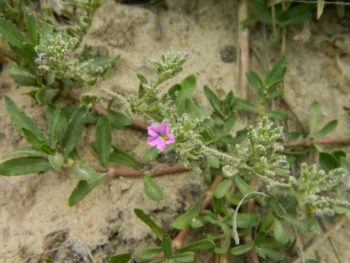
Seaside Petunia: A Charming Non-Native Ground Cover for Your Garden
If you’ve been searching for a delicate, low-maintenance flowering plant that brings a touch of whimsy to your garden, you might want to consider seaside petunia (Calibrachoa parviflora). This charming little annual has been quietly making itself at home across much of the United States, and it’s easy to see why gardeners have taken a liking to it.
What Is Seaside Petunia?
Seaside petunia is a small, spreading annual forb that produces dainty petunia-like flowers throughout the growing season. Originally from South America, this non-native plant has established itself across fifteen U.S. states, from coastal California to the southeastern seaboard. You might also see it listed under its former scientific name, Petunia parviflora, in older gardening references.
As its common name suggests, this plant has a particular affinity for coastal areas, though it’s adaptable enough to thrive in various inland locations as well.
Where Does It Grow?
Seaside petunia has naturalized across a surprisingly wide range of the United States, including Alabama, Arizona, California, Colorado, Florida, Kansas, Louisiana, Mississippi, New Mexico, New York, North Carolina, Oregon, Texas, Utah, and Virginia. This broad distribution speaks to its adaptability and resilience.
- Species observed
- No observations
What Does It Look Like?
Don’t expect towering garden drama from seaside petunia – this is a plant that charms through subtlety. Its small, delicate flowers typically appear in shades of purple or violet, creating a carpet of color when the plant spreads. The trailing, spreading growth habit makes it perfect for cascading over edges or filling in gaps between other plants.
Growing Seaside Petunia Successfully
One of seaside petunia’s biggest selling points is how easy it is to grow. Here’s what you need to know:
Ideal Conditions
- Full sun to partial shade (it’s quite flexible)
- Well-draining soil – it doesn’t like to sit in water
- Sandy or rocky soils are perfectly fine
- USDA zones 9-11 for perennial growth, but can be grown as an annual in cooler areas
Care Tips
- Water regularly during establishment, then it becomes quite drought tolerant
- Deadhead spent flowers to encourage continued blooming
- No need for heavy fertilization – this plant prefers lean conditions
- Perfect for low-maintenance gardening approaches
Where to Use Seaside Petunia
This adaptable little plant works well in several garden situations:
- Rock gardens and xeriscapes
- Container plantings and hanging baskets
- Ground cover in informal garden settings
- Coastal gardens where salt tolerance is valuable
- Filling gaps between stepping stones or in gravel paths
Environmental Considerations
Seaside petunia shows interesting relationships with water – its wetland status varies by region. In most areas, it’s considered a facultative wetland plant, meaning it usually prefers moist conditions but can adapt to drier sites. This flexibility is part of what makes it such a successful garden plant.
For pollinators, seaside petunia offers nectar to small bees, butterflies, and other beneficial insects, though it’s not considered a major pollinator magnet.
Should You Plant It?
While seaside petunia isn’t native to North America, it’s currently not listed as invasive or noxious in any region. That said, as a responsible gardener, you might want to consider native alternatives that provide similar aesthetic appeal while supporting local ecosystems more effectively.
Some native alternatives to consider include:
- Wild petunia (Ruellia humilis) for purple flowers
- Native violets (Viola species) for similar low-growing habit
- Regional native ground covers appropriate to your specific area
The Bottom Line
Seaside petunia is an undemanding, cheerful little plant that can add subtle color and texture to your garden without requiring much fuss. While it may not be native, it’s not currently problematic either. If you choose to grow it, you’ll likely find it to be a reliable performer that asks for little and delivers consistent results.
Whether you’re a beginning gardener looking for something forgiving or an experienced gardener seeking a low-maintenance filler plant, seaside petunia might just fit the bill. Just remember to consider native alternatives that could provide similar benefits while supporting your local ecosystem even better.