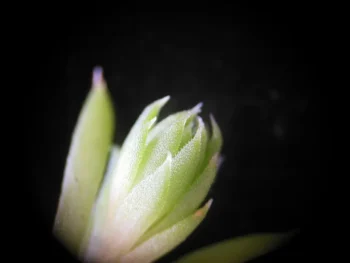
Sedum forsterianum: The Mystery Sedum That’s Hard to Pin Down
If you’ve stumbled across the name Sedum forsterianum in your gardening research, you might be scratching your head trying to find solid information about this particular plant. You’re not alone! This sedum presents quite the botanical puzzle for gardeners and plant enthusiasts alike.
What We Know (And What We Don’t)
Sedum forsterianum is listed in some botanical databases with the synonym Sedum rupestre L. var. forsterianum (Sm.) hort., but here’s where things get tricky. This plant name appears to be either a historical classification that’s fallen out of common use, or it may refer to a regional variant that hasn’t been widely documented in modern gardening literature.
The lack of readily available information about its native range, growing requirements, and garden performance makes this a challenging plant to recommend for most gardeners. We simply don’t have reliable data about where it originates from, what conditions it prefers, or how it behaves in garden settings.
The Challenge for Home Gardeners
When a plant has such limited documentation, it creates several concerns for gardeners:
- Difficulty sourcing the plant from reputable nurseries
- Uncertainty about proper growing conditions
- Unknown hardiness zones and climate requirements
- Unclear invasive potential or ecological impact
- Limited guidance for care and maintenance
Better Sedum Alternatives
Rather than wrestling with the uncertainties surrounding Sedum forsterianum, consider these well-documented sedum species that offer reliable garden performance:
- Sedum acre (Goldmoss Stonecrop) – A low-growing, yellow-flowered groundcover
- Sedum spectabile (Showy Stonecrop) – Upright growth with pink fall flowers beloved by butterflies
- Sedum reflexum (Blue Spruce Stonecrop) – Distinctive blue-green foliage
- Sedum rupestre (Blue Stonecrop) – Related to the synonym mentioned above
The Importance of Plant Identification
This situation highlights why proper plant identification is so crucial in gardening. When plant names are unclear or documentation is sparse, it becomes nearly impossible to provide appropriate care or predict how a plant will perform in your garden.
If you’re specifically interested in Sedum forsterianum because you’ve seen it referenced somewhere, try reaching out to botanical gardens, plant societies, or horticultural experts who might have more specialized knowledge about historical or rare sedum varieties.
Moving Forward
While the mystery of Sedum forsterianum remains unsolved for most gardeners, this doesn’t mean you have to give up on sedums altogether! The sedum family offers dozens of well-documented, beautiful, and reliable species that can provide the succulent charm you’re likely seeking.
Focus on sedums with clear growing instructions, known native ranges, and proven garden performance. Your garden (and your sanity) will thank you for choosing plants with reliable information and established care guidelines.