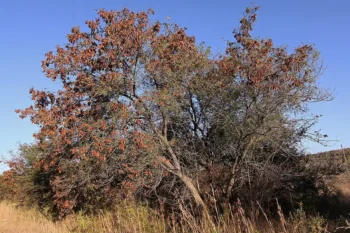
Senegalia goetzei: The Mystery Acacia That’s Hard to Pin Down
If you’ve stumbled across the name Senegalia goetzei in your plant research, you’re probably scratching your head right about now. Don’t worry – you’re not alone! This particular species is something of an enigma in the gardening world, and there’s a good reason why you might be having trouble finding detailed growing information about it.
What We Do Know About Senegalia goetzei
Senegalia goetzei belongs to the legume family and was formerly classified as Acacia goetzei Harms – you might still see it listed under this older botanical name in some references. Like other members of the Senegalia genus, it’s likely a woody plant, but beyond this basic classification, reliable information becomes surprisingly scarce.
The geographic distribution of this species appears to be limited, with some sources suggesting it may be native to parts of Africa, though the exact range remains unclear. Without more specific location data, it’s difficult to determine where this plant might naturally thrive or what growing conditions it would prefer.
The Challenge for Home Gardeners
Here’s where things get tricky for anyone hoping to add Senegalia goetzei to their landscape. The lack of readily available information about this species presents several challenges:
- Unknown hardiness zones make it impossible to determine if it would survive in your climate
- Unclear growing requirements mean you’d be guessing at soil, water, and light needs
- Limited availability in the nursery trade
- Uncertain mature size makes landscape planning difficult
Should You Try Growing It?
Given the information gaps surrounding Senegalia goetzei, most home gardeners would be better served by choosing well-documented native alternatives. If you’re drawn to the acacia family, consider researching native Senegalia or Acacia species that are appropriate for your region and have established growing guidelines.
If you’re absolutely determined to track down this particular species, your best bet would be to:
- Contact botanical gardens or arboreta that specialize in rare or unusual species
- Reach out to academic institutions with strong botany programs
- Connect with plant societies focused on legumes or African flora
The Bottom Line
While Senegalia goetzei might sound intriguing, the lack of available growing information makes it a challenging choice for most gardeners. Your time and energy would likely be better invested in well-documented native plants that can provide reliable beauty and ecological benefits to your landscape. Sometimes the most mysterious plants are mysterious for a reason – they’re either extremely rare, poorly studied, or simply not well-suited to cultivation outside their native habitat.
If you’re passionate about growing unusual legumes, consider exploring other Senegalia species with better documentation, or consult with local native plant societies to discover the fascinating acacia relatives that might thrive in your specific region.