Senegalia pennata: The Thorny Climbing Wattle That’s Not for Every Garden
Ever stumbled across a plant name that sounds like it belongs in a botanical tongue-twister competition? Meet Senegalia pennata, also known as climbing wattle or feather-leaved acacia. This thorny character might catch your eye with its delicate, feathery foliage, but there’s more to this Southeast Asian native than meets the eye.
What Exactly Is Senegalia pennata?
Don’t let the scientific name intimidate you – this plant has quite the identity crisis in the naming department. You might also see it listed under its former names, Acacia pennata or Acacia pentagona. Botanists love to shuffle names around, keeping us gardeners on our toes!
This woody climbing shrub is native to Southeast Asia, calling countries like Thailand, Myanmar, Cambodia, Laos, Vietnam, and parts of India home. It’s a member of the legume family, which means it has that neat trick of fixing nitrogen in the soil.
The Good, The Thorny, and The Feathery
Let’s talk about what makes this plant tick. Senegalia pennata is basically nature’s version of barbed wire with a pretty face. Here’s what you’re dealing with:
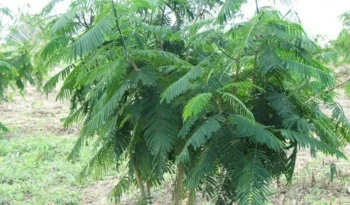
- Delicate, bipinnate leaves that look like tiny fern fronds
- Small, bright yellow flower clusters that appear seasonally
- Serious thorns that mean business
- A climbing habit that can reach impressive heights with support
- Drought tolerance once established
Garden Role: Beauty with Boundaries
This isn’t your typical garden center find, and honestly, that might be for the best. If you’re in USDA hardiness zones 9b through 11 and considering this plant, think of it as a living security system. The thorns make it excellent for barrier hedging or perimeter planting where you want to discourage unwanted visitors – both human and animal.
The climbing nature means it needs support, like a sturdy fence or trellis. Just remember, once it’s established, pruning becomes a full-contact sport thanks to those thorns.
Growing Conditions: What This Climber Craves
Senegalia pennata isn’t particularly fussy, but it does have preferences:
- Full sun to partial shade
- Well-drained soil (it hates wet feet)
- Warm, tropical to subtropical climate
- Regular water during establishment, drought-tolerant afterward
- Sturdy support structure for climbing
The Pollinator Question
Those cheerful yellow flowers do attract bees and other small pollinators, which is always a plus. However, the blooming period tends to be relatively short, so don’t expect a year-round pollinator paradise.
Should You Plant It?
Here’s where things get interesting. While Senegalia pennata isn’t inherently problematic, it’s not native to North American gardens. If you’re passionate about supporting local ecosystems, you might want to consider native alternatives that provide similar benefits:
- For thorny barriers: Native hawthorns or roses
- For climbing plants: Native honeysuckles or grape vines
- For nitrogen-fixing legumes: Native lupines or wild indigo
If you do decide to grow Senegalia pennata, source it from reputable nurseries and keep it well-contained. Those thorns aren’t just for show – they’re actually quite effective at helping the plant spread and establish in new areas.
Final Thoughts: Proceed with Caution and Gloves
Senegalia pennata is one of those plants that’s fascinating from a botanical perspective but challenging from a practical gardening standpoint. The combination of thorns, climbing habit, and non-native status makes it a plant that requires serious consideration before adding to your garden.
If you’re drawn to unusual plants and have the right climate, space, and protective gear, it could be an interesting addition to an ethnobotanical garden or as part of a living fence system. Just remember – this is definitely a look but don’t touch kind of plant, and your neighbors might not appreciate it wandering over the fence line.
Whatever you decide, make sure you’re fully committed to the relationship. Breaking up with a thorny climbing plant is nobody’s idea of fun!