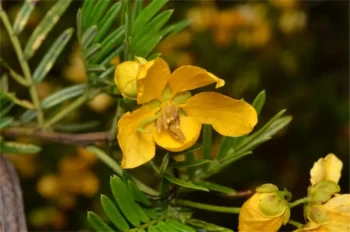
Senna aciphylla: A Delicate Australian Beauty for Warm Climate Gardens
Meet Senna aciphylla, a charming little shrub that’s been quietly winning hearts in warm-climate gardens across the globe. While it might not be a household name like some of its flashier cousins, this Australian native has plenty to offer gardeners looking for something a bit different. Also known by its synonym Cassia aciphylla, this plant brings a touch of Down Under elegance to landscapes that can accommodate its specific needs.
Where Does Senna aciphylla Come From?
This delightful shrub calls Australia home, specifically the eastern regions of New South Wales and Queensland. In its native habitat, it thrives in the warm, often dry conditions that characterize much of the Australian landscape. Understanding its origins helps us appreciate why it performs best in similar climates elsewhere in the world.
What Makes This Plant Special?
Senna aciphylla is like that friend who’s quietly stylish without trying too hard. Here’s what makes it stand out:
- Delicate, needle-like leaflets that give it an almost feathery appearance
- Bright yellow, pea-like flowers that appear in cheerful clusters
- Compact growth habit that won’t overwhelm smaller spaces
- Excellent drought tolerance once established
- Attracts bees and other beneficial pollinators
Is Senna aciphylla Right for Your Garden?
Before you fall head over heels for this Australian charmer, let’s talk about whether you two are a good match. This plant has some specific requirements that might make or break your relationship.
Senna aciphylla thrives in USDA hardiness zones 9-11, which means it’s definitely not built for cold winters. If you live somewhere that regularly sees frost, this might not be your plant unless you’re willing to treat it as a container specimen that comes indoors during winter.
However, if you’re gardening in warm climates like Southern California, Florida, or similar regions, you might have found your new favorite drought-tolerant shrub!
Perfect Garden Scenarios
This plant shines in several garden styles:
- Mediterranean-style gardens where water conservation is key
- Xeriscapes and drought-tolerant landscapes
- Australian native plant gardens
- Rock gardens and well-draining slopes
- Container gardens in colder climates
Growing Conditions That Make It Happy
Like many Australian natives, Senna aciphylla has adapted to challenging conditions, which actually makes it relatively low-maintenance once you understand its preferences:
- Sunlight: Full sun is essential for best flowering and overall health
- Soil: Well-draining soil is non-negotiable; it won’t tolerate soggy conditions
- Water: Drought tolerant once established, but benefits from occasional deep watering during dry spells
- Temperature: Prefers warm conditions and is frost-tender
Planting and Care Tips
Getting Senna aciphylla established successfully is mostly about respecting its need for good drainage and gradual acclimation:
- Plant in spring after the last frost risk has passed
- Ensure excellent drainage by amending heavy soils with sand or gravel
- Water regularly during the first growing season to establish roots
- Once established, reduce watering frequency but water deeply when you do
- Prune lightly after flowering to maintain shape
- In borderline climates, plant in a protected location or consider container growing
Wildlife and Pollinator Benefits
One of the lovely aspects of Senna aciphylla is its appeal to beneficial insects. The bright yellow flowers are particularly attractive to bees, making it a valuable addition to pollinator-friendly gardens. While it may not support the same range of native wildlife as indigenous plants, it still contributes to the overall ecosystem health of your garden.
Consider Native Alternatives
If you love the idea of Senna aciphylla but want to prioritize native plants in your region, consider these alternatives that offer similar drought tolerance and yellow blooms:
- Palo Verde (Parkinsonia species) for Southwest gardens
- Wild Senna (Senna species native to your region)
- Brittlebush (Encelia farinosa) for desert landscapes
- Goldenrod (Solidago species) for a variety of climates
The Bottom Line
Senna aciphylla is a charming choice for gardeners in warm climates who appreciate subtle beauty and low-maintenance plants. While it won’t stop traffic with dramatic blooms, its delicate foliage and cheerful flowers bring a quiet elegance to drought-tolerant gardens. Just make sure you can provide the warm, well-draining conditions it craves, and you’ll have a loyal garden companion that asks for very little while giving back plenty of charm.
Remember, successful gardening is often about choosing plants that naturally thrive in your conditions rather than fighting against them. If your climate and soil suit this Australian native, it could be a delightful addition to your plant palette.