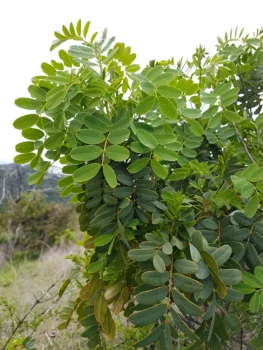
Senna candolleana: A Mysterious Member of the Senna Family
If you’ve come across the name Senna candolleana in your gardening research, you’re not alone in wondering about this elusive plant. This particular species name presents a bit of a botanical puzzle that’s worth exploring, especially if you’re interested in adding members of the Senna family to your garden.
The Mystery Behind the Name
Senna candolleana is one of those plant names that pops up occasionally in various sources, but finding reliable, detailed information about it proves surprisingly challenging. This could indicate several possibilities: it might be a very rare or localized species, a name that’s fallen out of current botanical use, or possibly a misidentification of another Senna species.
Geographic Distribution Challenges
The geographic distribution of Senna candolleana remains unclear in current botanical literature, making it difficult to determine where this plant naturally occurs or whether it would be suitable for your local garden conditions.
What We Know About the Senna Family
While specific information about S. candolleana is limited, the Senna genus as a whole offers some fantastic options for gardeners. These plants are typically known for:
- Bright yellow, butterfly-shaped flowers
- Compound leaves that create interesting texture
- Ability to attract butterflies and other pollinators
- Generally drought-tolerant once established
Better-Documented Alternatives
If you’re drawn to the idea of growing a Senna species, consider these well-documented alternatives that might give you the garden appeal you’re seeking:
- Wild Senna (Senna hebecarpa) – Native to eastern North America
- Partridge Pea (Chamaecrista fasciculata) – A close relative with similar flowers
- Maryland Senna (Senna marilandica) – Another eastern North American native
The Responsible Gardener’s Approach
When encountering mysterious or poorly documented plant names like Senna candolleana, the best approach is to:
- Verify the plant’s identity with multiple reliable sources
- Consult local botanical gardens or extension offices
- Choose well-documented alternatives that provide similar garden benefits
- Focus on plants with clear native status in your region
Moving Forward with Your Garden Plans
Rather than spending time searching for the elusive Senna candolleana, why not explore the wonderful world of confirmed Senna species and their relatives? Your local native plant society or extension office can help you identify which members of this plant family are native to your area and would thrive in your specific growing conditions.
Remember, successful gardening often comes down to choosing the right plant for the right place – and that’s much easier to do when you have reliable information about your plant choices!