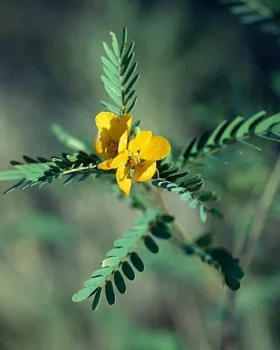
Senna coronilloides: The Mystery Plant That Keeps Botanists Guessing
Ever stumbled across a plant name that sounds intriguing but leaves you scratching your head when you try to find growing information? Meet Senna coronilloides, a member of the diverse Senna genus that seems to fly under the radar of most gardening resources. While its botanical cousins like Senna alexandrina and Senna marilandica get plenty of attention, this particular species remains something of an enigma in the gardening world.
What’s in a Name?
Senna coronilloides doesn’t seem to have a widely recognized common name, which is often the first clue that we’re dealing with a less commonly cultivated plant. In botanical circles, you might also see it referenced by its synonym Cassia coronilloides Benth., reflecting the taxonomic reshuffling that moved many former Cassia species into the Senna genus.
The Challenge of Unknown Origins
Here’s where things get tricky for eager gardeners: the native range and distribution of Senna coronilloides isn’t clearly documented in standard horticultural resources. This lack of information makes it difficult to determine whether this plant would be a good fit for your local ecosystem or garden conditions.
Why Information Matters
Before you get discouraged about this mysterious plant, let’s talk about why having complete information is crucial for responsible gardening:
- Knowing a plant’s native range helps determine if it’s appropriate for your local ecosystem
- Understanding growth habits prevents unwanted surprises in your garden design
- Hardiness zone information ensures the plant can survive your local climate
- Invasive status knowledge protects local native plant communities
The Senna Family Connection
While we can’t say much about Senna coronilloides specifically, we do know that plants in the Senna genus are typically members of the legume family (Fabaceae). Many Senna species are known for their bright yellow flowers and interesting seed pods, and they often provide benefits to pollinators and wildlife. However, without specific information about S. coronilloides, we can’t assume it shares all these characteristics.
What Should Gardeners Do?
If you’ve encountered Senna coronilloides and are considering adding it to your garden, here’s some practical advice:
- Contact local botanical gardens or university extension services for region-specific information
- Check with native plant societies in your area to see if anyone has experience with this species
- Consider well-documented Senna species as alternatives if you’re drawn to this genus
- Always source plants from reputable nurseries that can provide provenance information
Better-Known Alternatives
If you’re interested in the Senna genus but want something with more available growing information, consider these alternatives:
- Wild Senna (Senna hebecarpa) – native to eastern North America
- Maryland Wild Senna (Senna marilandica) – excellent for pollinator gardens
- Coffee Senna (Senna occidentalis) – though check local invasive species lists first
The Bottom Line
Senna coronilloides represents an interesting case study in plant knowledge gaps. While it’s tempting to experiment with unusual plants, responsible gardening means working with species we understand well enough to grow successfully without unintended consequences. Sometimes the most exciting gardening adventures come from thoroughly exploring the well-documented native plants that are perfect for our specific regions.
If you do manage to track down reliable information about Senna coronilloides, consider sharing your findings with local gardening communities – you might just help solve this botanical puzzle for fellow plant enthusiasts!