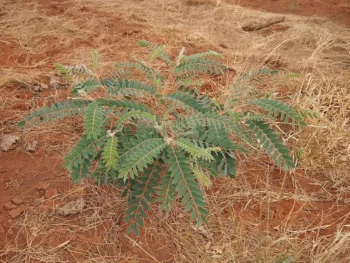
Senna notabilis: A Mysterious Australian Native Worth Learning About
If you’ve stumbled across the name Senna notabilis in your plant research, you might be wondering what exactly this species is all about. Well, you’re not alone! This particular member of the Senna genus is something of an enigma in the gardening world, and there’s a good reason why you might be having trouble finding detailed information about it.
What We Know About Senna notabilis
Senna notabilis belongs to the legume family (Fabaceae) and was previously classified under the name Cassia notabilis. Like other members of the Senna genus, it’s likely a flowering plant that produces the characteristic pod-like fruits common to legumes. However, beyond these basic botanical facts, detailed information about this species remains surprisingly scarce.
The Mystery of Limited Information
Here’s where things get interesting (and a bit frustrating for curious gardeners): comprehensive details about Senna notabilis’s native range, growing requirements, appearance, and garden performance are not readily available in standard horticultural references. This could indicate several possibilities:
- It may be a regionally specific species with limited distribution
- It might not be commonly cultivated in gardens
- The species could be rare or have specialized habitat requirements
- There may be taxonomic confusion or recent reclassification
Should You Plant Senna notabilis?
Given the lack of available information about this species, we’d recommend proceeding with caution. Without knowing its growth habits, potential invasiveness, cultural requirements, or even its current conservation status, it’s difficult to make informed decisions about incorporating it into your garden.
If you’re interested in Senna species for your landscape, consider exploring better-documented alternatives that offer known benefits and reliable growing information. Many other Senna species are well-established in cultivation and provide beautiful yellow flowers, attract pollinators, and have clear care instructions.
Better-Known Senna Alternatives
Instead of gambling with the mysterious Senna notabilis, you might want to consider these well-documented options:
- Research other native Senna species in your region
- Consult local native plant societies for regional recommendations
- Visit native plant gardens to see established Senna species in action
- Connect with botanical gardens that specialize in legume collections
The Bottom Line
While Senna notabilis might sound intriguing, the lack of available cultivation information makes it a risky choice for most gardeners. Sometimes the most responsible approach is to admit when we don’t have enough information to make good recommendations. If you’re determined to learn more about this species, your best bet would be to contact botanical institutions or native plant experts in Australia, where many Senna species originate.
Remember, successful gardening is often about choosing plants with well-understood needs and benefits. There are plenty of wonderful, well-documented native plants waiting to transform your landscape – perhaps it’s worth exploring those first before venturing into botanical mysteries!