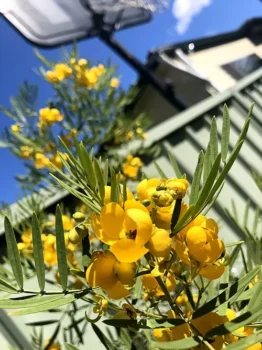
Senna odorata: A Mystery Plant You Should Approach with Caution
If you’ve stumbled across the name Senna odorata while researching plants for your garden, you might be scratching your head wondering what exactly this plant is. You’re not alone! This particular species presents quite a puzzle for gardeners and botanists alike.
What Do We Know About Senna odorata?
Here’s the honest truth: reliable information about Senna odorata is surprisingly scarce. What we do know is limited to its botanical classification and a couple of synonyms. This plant has also been referred to as Cassia odorata R. Morris and Cassia schultesii Colla in older botanical literature, but beyond these names, concrete details become frustratingly elusive.
The Geographic Distribution Mystery
One of the biggest red flags when researching Senna odorata is the complete lack of clear information about where this plant naturally occurs. Without knowing its native range, it’s impossible to determine whether it would be appropriate for your local ecosystem or what growing conditions it might prefer.
Why This Lack of Information Matters
When a plant species has so little documented information available, it raises several important concerns for responsible gardeners:
- We don’t know if it’s native to any particular region
- Its potential invasive behavior is undocumented
- Growing requirements remain a mystery
- Wildlife and pollinator benefits are unknown
- Hardiness zones haven’t been established
Our Recommendation: Proceed with Extreme Caution
Given the lack of reliable horticultural and ecological information about Senna odorata, we cannot recommend this plant for garden use. Here’s why:
Without knowing its native status, growth habits, or environmental requirements, planting Senna odorata could be risky for your local ecosystem. Unknown plants can sometimes become problematic invaders, and without proper growing information, you’d essentially be experimenting blindly.
Better Alternatives: Well-Documented Senna Species
If you’re interested in plants from the Senna genus, consider these well-researched alternatives instead:
- Senna hebecarpa (American Senna) – native to eastern North America
- Senna marilandica (Maryland Senna) – excellent for pollinator gardens
- Senna pendula (Easter Cassia) – where appropriate for warm climates
The Bottom Line
While Senna odorata might sound intriguing, the lack of solid information makes it a poor choice for responsible gardening. Instead, focus on well-documented native plants that will provide known benefits to your local wildlife and ecosystem. Your garden—and your local environment—will thank you for making informed choices based on reliable information.
Remember, good gardening isn’t just about what looks pretty; it’s about creating spaces that work harmoniously with nature. When in doubt, choose plants with proven track records and clear documentation!