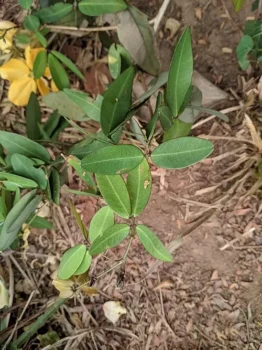
Senna Splendida: A Bright Yellow Beauty for Warm Climate Gardens
If you’re looking to add a splash of sunshine to your garden, Senna splendida might just catch your eye with its stunning clusters of bright yellow blooms. This South American native, also known by its former scientific name Cassia splendida, brings tropical flair to warm climate landscapes with its cheerful flowers and attractive foliage.
Where Does Senna Splendida Come From?
Senna splendida hails from South America, particularly thriving in Brazil and neighboring regions where the climate stays warm year-round. In its native habitat, this plant has adapted to tropical and subtropical conditions, making it a natural fit for similar climates elsewhere in the world.
What Makes This Plant Special?
The real showstopper here is the flowers – imagine clusters of bright golden-yellow blooms that practically glow in the sunlight. The compound leaves add an elegant, feathery texture that complements the bold flowers beautifully. When in bloom, this plant becomes a real attention-grabber that can serve as a focal point in your landscape design.
Garden Design and Landscape Role
Senna splendida works wonderfully as:
- An ornamental specimen tree or large shrub
- A colorful addition to tropical-themed gardens
- Background planting in mixed borders
- A statement plant near patios or outdoor living areas
This plant is best suited for tropical and subtropical gardens where temperatures stay consistently warm. It’s perfect for those living in frost-free areas who want to create that lush, tropical paradise feel.
Growing Conditions and Care
If you’re considering adding Senna splendida to your garden, here’s what it needs to thrive:
Climate Requirements: This plant is only suitable for USDA hardiness zones 10-11, as it’s quite sensitive to frost and cold temperatures.
Sun and Soil: Give it plenty of bright, direct sunlight and well-draining soil. Like many tropical plants, it doesn’t appreciate wet feet, so good drainage is essential.
Planting and Care Tips:
- Water regularly during the establishment period, then reduce to moderate watering once established
- Prune lightly after flowering to maintain shape and encourage bushier growth
- Protect from any potential frost – even light frost can damage this tropical beauty
- Feed with a balanced fertilizer during the growing season for best flowering
Benefits for Pollinators
Those bright yellow flowers aren’t just pretty to look at – they’re also magnets for bees and butterflies. If you’re working on creating a pollinator-friendly garden in a warm climate, Senna splendida can be a valuable addition to support local bee populations and attract colorful butterflies to your outdoor space.
Should You Plant Senna Splendida?
This comes down to your location and garden goals. If you live in zones 10-11 and love the tropical garden aesthetic, Senna splendida can be a stunning addition that brings year-round interest and supports pollinators.
However, if you’re passionate about native gardening or live outside the warm climate zones where this plant thrives, you might want to consider native alternatives that offer similar benefits. Many regions have native Senna species or other yellow-flowering shrubs that can provide similar aesthetic appeal while supporting local ecosystems more effectively.
For those in appropriate climates who choose to grow Senna splendida, you’ll be rewarded with a relatively low-maintenance plant that delivers big visual impact. Just remember – this is definitely a warm-weather lover that won’t tolerate any cold snaps, so plan accordingly!