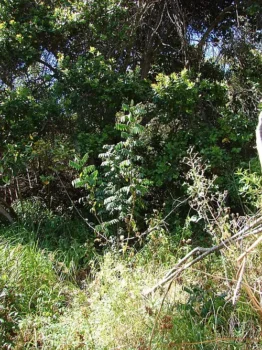
Senna stipulacea: A South American Beauty for Warm Climate Gardens
Meet Senna stipulacea, a charming flowering shrub that’s been quietly winning over gardeners in warmer climates. While it might not have a catchy common name that rolls off the tongue, this South American native (also known by its synonym Cassia stipulacea) makes up for it with its sunny disposition and easy-going nature.
Where Does Senna stipulacea Come From?
This delightful shrub calls South America home, specifically thriving in the temperate regions of Argentina, Uruguay, and southern Brazil. In its native habitat, it’s adapted to a variety of conditions, making it a surprisingly versatile addition to gardens in similar climates.
What Makes This Plant Special?
Senna stipulacea brings a burst of sunshine to any garden with its cheerful yellow flowers that appear in attractive clusters. The compound leaves, made up of multiple small leaflets, create an elegant, feathery texture that adds visual interest even when the plant isn’t in bloom. It’s like having a little piece of South American sunshine right in your backyard!
Should You Plant Senna stipulacea?
If you’re gardening in USDA hardiness zones 9-11, this could be a wonderful addition to your landscape. Here’s why you might fall in love with it:
- Drought tolerant once established (perfect for water-wise gardening)
- Attracts beneficial pollinators like bees and butterflies
- Low-maintenance once settled in
- Adds year-round structure with its attractive foliage
- Bright yellow flowers provide cheerful color
However, if you’re passionate about native-only gardening in North America, you might want to consider native alternatives in the legume family that provide similar benefits to local ecosystems.
Perfect Garden Settings
Senna stipulacea shines in Mediterranean-style gardens and drought-tolerant landscapes. It works beautifully as a specimen plant where its form can be appreciated, or tucked into mixed borders where its yellow blooms can complement other warm-toned flowers. It’s particularly at home in gardens designed to attract pollinators.
Growing Senna stipulacea Successfully
The good news? This plant is pretty forgiving once you understand its basic needs:
Location and Soil
- Plant in full sun for best flowering
- Ensure well-draining soil (it really dislikes wet feet)
- Tolerates poor soils once established
Planting Tips
- Plant in spring after the last frost
- Water regularly during the first growing season to help establishment
- Once established, it becomes quite drought tolerant
Care and Maintenance
- Minimal pruning required – just remove dead or damaged branches
- Light fertilizing in spring if desired, but not necessary
- Watch for overwatering, which can lead to root problems
The Bottom Line
Senna stipulacea is like that reliable friend who’s always cheerful and never asks for much. If you’re in the right climate zone and looking for a low-maintenance shrub that brings color and attracts beneficial insects, this South American beauty might just be the perfect addition to your garden. Just remember to give it the well-draining conditions it craves, and it’ll reward you with years of sunny blooms and graceful foliage.
While it may not be native to North America, it’s not invasive either, making it a reasonable choice for gardeners who appreciate plants from around the world. Just consider balancing your landscape with native plants too – your local wildlife will thank you for it!