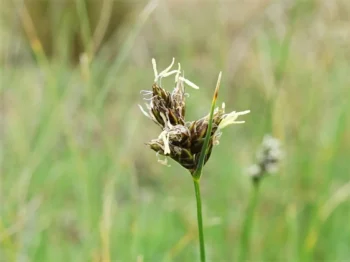
Separated Sedge: A Wetland Plant for Challenging Garden Spots
If you’ve got a soggy spot in your yard that seems impossible to plant, you might want to meet separated sedge (Carex divisa). This unassuming little grass-like plant has made itself at home in wet areas across parts of the eastern United States, and while it’s not native to North America, it’s found its niche in some pretty challenging growing conditions.
What Exactly is Separated Sedge?
Separated sedge is a perennial member of the sedge family, which means it’s one of those grass-like plants that isn’t actually a grass. Think of sedges as grass’s slightly more interesting cousins – they’ve got that same narrow-leafed look but with their own unique personality. This particular sedge forms small clumps and produces those characteristic brownish flower spikes that sedges are known for.
Where You’ll Find It Growing
Originally from Europe, North Africa, and western Asia, separated sedge has established itself in the Atlantic and Gulf Coastal Plain region of the United States. You can find it growing wild in the District of Columbia, Maryland, North Carolina, and Virginia. It’s what botanists call an obligate wetland plant, which is a fancy way of saying it almost always needs its feet wet to be happy.
- Species observed
- No observations
Should You Plant Separated Sedge?
Here’s where things get interesting. While separated sedge isn’t native to North America, it’s also not considered invasive or problematic. It tends to mind its own business in wet areas where many other plants struggle to survive. However, before you rush out to plant it, consider these points:
Reasons You Might Choose It:
- Thrives in consistently wet, boggy conditions where other plants fail
- Low maintenance once established
- Forms neat, tidy clumps rather than spreading aggressively
- Handles flooding and poor drainage with ease
Why You Might Skip It:
- Limited aesthetic appeal – it’s more functional than flashy
- Offers minimal benefits to native wildlife and pollinators
- There are beautiful native alternatives available
Native Alternatives Worth Considering
If you’re looking to support local ecosystems while solving your wet garden dilemma, consider these native sedges instead: fox sedge (Carex vulpinoidea), fringed sedge (Carex crinita), or bladder sedge (Carex intumescens). These natives provide similar growing benefits while supporting local wildlife.
How to Grow Separated Sedge Successfully
If you decide separated sedge is right for your situation, here’s what you need to know:
Growing Conditions:
- Light: Full sun to partial shade
- Soil: Consistently moist to wet, tolerates poor drainage
- Hardiness: USDA zones 5-9
- Water: Loves constant moisture and can handle periodic flooding
Planting and Care Tips:
- Plant in spring after the last frost
- Space plants about 12 inches apart for naturalized areas
- Keep soil consistently moist – never let it dry out completely
- Minimal fertilization needed in most garden situations
- Cut back old foliage in late winter or early spring
The Bottom Line
Separated sedge is one of those plants that fills a very specific niche. If you have a chronically wet area that needs something green and low-maintenance, it could be a practical solution. Just remember that while it won’t cause ecological havoc, it also won’t provide the wildlife benefits that native plants offer. Consider it a functional choice rather than an ecological one, and always explore native alternatives first.
Sometimes the best garden solutions are the simple, unpretentious ones – and separated sedge definitely fits that bill. It may not win any beauty contests, but it’ll happily grow where many other plants would simply give up and float away!