Septicweed: A Controversial Garden Guest You Should Know About
Meet septicweed (Senna occidentalis), a plant that’s sure to spark some interesting conversations among gardeners. With a name like septicweed, you might wonder if this is something you’d ever want in your garden. Well, the answer isn’t quite as straightforward as you might think!
What Exactly Is Septicweed?
Septicweed is a forb – essentially a non-woody flowering plant that can behave as either an annual or short-lived perennial depending on your climate. You might also see it referred to by its scientific name, Senna occidentalis, or its former botanical name, Cassia occidentalis. This member of the legume family originally hails from tropical regions of Central and South America, but it’s made itself quite at home across much of the United States.
Where You’ll Find Septicweed
This adaptable plant has established itself across a impressive range of states, from Alabama and Arkansas to Texas and Virginia, and even as far north as Massachusetts and New York. You’ll also find it thriving in Hawaii, Puerto Rico, the U.S. Virgin Islands, and other Pacific territories. It’s particularly common in the southeastern United States.
- Species observed
- No observations
The Good, The Bad, and The Weedy
Here’s where things get interesting. Septicweed isn’t technically classified as invasive, but it’s definitely not native to North America either. This puts it in that gray area that many gardeners struggle with – it’s a naturalized plant that’s been living here long enough to become part of the landscape, but it’s not supporting native ecosystems the way indigenous plants do.
What Does Septicweed Look Like?
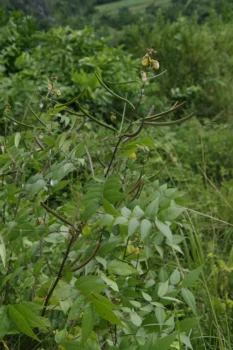
Don’t let the name fool you – septicweed actually has some attractive qualities. This plant can grow 3 to 6 feet tall and produces cheerful clusters of bright yellow flowers that are quite eye-catching. The compound leaves give it a delicate, almost fern-like appearance. It’s the kind of plant that might catch your eye in a vacant lot and make you wonder, What is that pretty yellow-flowered thing?
Growing Conditions and Care
If you’re in USDA hardiness zones 8-11, septicweed can be a perennial. In cooler zones, it behaves as an annual. This isn’t a fussy plant by any means:
- Thrives in full sun
- Tolerates poor, well-drained soils
- Requires minimal care once established
- Self-seeds readily (sometimes too readily!)
Wetland Preferences
Septicweed’s relationship with water varies depending on where you live. In some regions like the Atlantic and Gulf Coastal Plain, it’s comfortable in both wet and dry conditions. However, in most areas – including the Eastern Mountains, Great Plains, and Midwest – it strongly prefers upland, non-wetland conditions.
Wildlife and Pollinator Benefits
The bright yellow flowers do attract pollinators, particularly bees and butterflies, so it’s not completely without ecological merit. However, as a non-native plant, it doesn’t provide the same level of support to native wildlife that indigenous plants offer.
Should You Plant Septicweed?
This is where we get to the heart of the matter. While septicweed isn’t considered harmful enough to be labeled invasive, there are some compelling reasons to think twice before deliberately adding it to your garden:
- It can be quite aggressive about self-seeding
- As a non-native, it doesn’t support native wildlife as effectively as indigenous alternatives
- It might show up in your garden whether you plant it or not!
Native Alternatives to Consider
If you’re drawn to septicweed’s yellow flowers and easy-going nature, consider these native alternatives instead:
- Wild senna (Senna hebecarpa) – A native relative with similar yellow flowers
- Partridge pea (Chamaecrista fasciculata) – Another legume with bright yellow blooms
- Black-eyed Susan (Rudbeckia species) – Classic yellow wildflowers that support native wildlife
The Bottom Line
Septicweed is one of those plants that falls into the it’s complicated category. It’s not evil, but it’s not exactly ideal either. If it shows up in your garden naturally, you don’t need to panic – just keep an eye on it and prevent it from taking over. But if you’re looking to add yellow flowers to your landscape, you’ll do more good for local ecosystems by choosing native alternatives that provide better support for native pollinators and wildlife.
Remember, every plant choice is a vote for the kind of ecosystem you want to support in your own backyard!