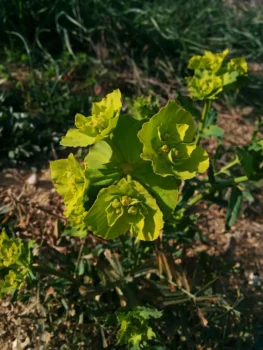
Serrate Spurge: A Mediterranean Newcomer in California Gardens
If you’ve stumbled across the name serrate spurge (Euphorbia serrata) while researching plants for your garden, you’re looking at a rather mysterious member of the sprawling spurge family. This perennial herb has quietly made its way from Mediterranean shores to California, though it remains one of the lesser-known players in the gardening world.
What Exactly Is Serrate Spurge?
Serrate spurge is a perennial forb, which is just a fancy way of saying it’s a non-woody herbaceous plant that comes back year after year. Like all members of the Euphorbia family, it produces that characteristic milky white sap that can be irritating to skin and eyes – definitely something to keep in mind if you’re considering adding it to your garden.
As its botanical name Euphorbia serrata suggests, this plant likely has serrated or toothed leaves, though detailed descriptions of its appearance are surprisingly hard to come by in gardening literature.
Where You’ll Find It
Currently, serrate spurge has established itself in California, where it reproduces on its own in the wild without human intervention. This non-native species originally hails from Mediterranean regions, so it’s adapted to the kind of warm, dry conditions that California provides so well.
- Species observed
- No observations
Should You Grow Serrate Spurge?
Here’s where things get a bit tricky. While serrate spurge isn’t currently listed as invasive or noxious, its status as a non-native species that readily naturalizes gives us pause. The plant world is full of examples where seemingly harmless introduced species later became problematic, so a cautious approach makes sense.
If you’re drawn to spurges for their unique characteristics and drought tolerance, consider these native California alternatives instead:
- California croton (Croton californicus) – another member of the Euphorbiaceae family
- Various native wildflowers that thrive in similar dry conditions
- Native bunch grasses that provide structure and wildlife habitat
Growing Conditions and Care
Based on its Mediterranean origins and successful establishment in California, serrate spurge likely prefers:
- Full sun to partial shade
- Well-draining soils
- Minimal water once established
- Protection from hard frosts
However, specific growing instructions for this species are limited, which is another reason to consider better-documented native alternatives for your garden projects.
A Word of Caution
Like all euphorbias, serrate spurge produces a milky sap that can cause skin irritation and is toxic if ingested. Always wear gloves when handling any spurge species, and keep them away from areas where children and pets play.
The Bottom Line
While serrate spurge might seem like an interesting addition to a Mediterranean-style garden, the lack of detailed growing information combined with its non-native status makes it a questionable choice for most gardeners. Your landscape will likely benefit more from well-researched native plants that provide known benefits to local wildlife while requiring less guesswork in terms of care and long-term behavior.
If you’re passionate about creating a garden that truly supports your local ecosystem, stick with native California plants that birds, butterflies, and other wildlife have evolved alongside. Your garden – and your local environment – will thank you for it.