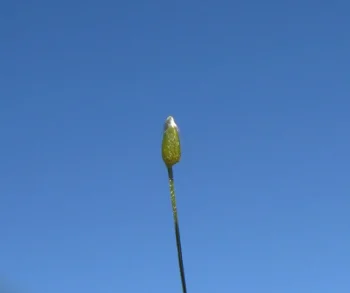
Serrated Tussock: A Beautiful but Dangerous Grass You Should Never Plant
Sometimes the most innocent-looking plants can cause the biggest headaches for gardeners and ecosystems alike. Meet serrated tussock (Nassella trichotoma), a perennial grass that might look harmless with its delicate, feathery appearance, but packs a serious environmental punch that’ll knock native plants right out of your garden—and your local ecosystem.
What Exactly Is Serrated Tussock?
Serrated tussock goes by several names, including nassella tussock and Yass River tussock. You might also see it listed under its former scientific name, Stipa trichotoma. This sneaky grass forms dense clumps or tussocks that can look quite elegant at first glance, with fine, hair-like leaves that sway gracefully in the breeze.
But don’t let its delicate appearance fool you—this South American native is anything but delicate when it comes to taking over landscapes.
The Big Red Flag: Why You Should Avoid This Plant
Here’s the deal: serrated tussock is officially classified as a noxious weed in the United States. This isn’t just bureaucratic paperwork—it means this plant poses a serious threat to our native ecosystems and agricultural lands.
This invasive grass has already established itself in Illinois, Kentucky, North Carolina, and South Carolina, where it outcompetes native plants and degrades natural habitats. Once it gets a foothold, it’s incredibly difficult to remove and can spread rapidly across the landscape.
- Species observed
- No observations
What Makes Serrated Tussock So Problematic?
Serrated tussock is like that overly enthusiastic party guest who shows up uninvited and refuses to leave. Here’s why it’s such trouble:
- It forms dense stands that crowd out native plants
- The plant produces thousands of seeds that spread easily by wind
- It’s extremely drought tolerant once established, giving it an advantage over many native species
- It provides little to no value for native wildlife or pollinators
- It can reduce the carrying capacity of grazing lands
Growing Conditions (For Identification Purposes Only)
Understanding where serrated tussock thrives can help you identify it in the wild—not to grow it, but to report it to local authorities. This adaptable grass can survive in USDA hardiness zones 7-10 and tolerates a wide range of soil conditions. It’s particularly problematic because it can establish in both disturbed areas and relatively undisturbed natural habitats.
Native Alternatives That Won’t Cause Ecological Chaos
Instead of planting serrated tussock (please don’t!), consider these beautiful native grasses that will actually benefit your local ecosystem:
- Little bluestem (Schizachyrium scoparium) – gorgeous fall color and wildlife value
- Buffalo grass (Bouteloua dactyloides) – excellent drought tolerance
- Purple needlegrass (Stipa pulchra) – California’s state grass with similar feathery appeal
- Switchgrass (Panicum virgatum) – stunning in fall with great wildlife benefits
What to Do If You Spot Serrated Tussock
If you think you’ve encountered serrated tussock in the wild, don’t try to tackle it yourself. Contact your local extension office, state department of agriculture, or invasive species coordinator. Early detection and rapid response are crucial for preventing this aggressive grass from spreading further.
The Bottom Line
While serrated tussock might have a certain wispy charm, it’s a classic case of beauty being more than skin deep—in the worst possible way. This noxious weed threatens native ecosystems and offers virtually no benefits to wildlife or pollinators. Save yourself the headache and potential legal issues by choosing native alternatives that will make both you and Mother Nature happy.
Remember, the best gardens work with nature, not against it. By choosing native plants over invasive species like serrated tussock, you’re creating a landscape that truly belongs in your corner of the world.