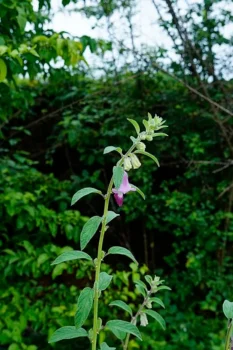
Growing Sesame in Your Garden: The Surprising Story of an Ancient Crop
When most people think of sesame, they picture those tiny seeds sprinkled on hamburger buns or the magical phrase from Ali Baba’s tale. But did you know that sesame (Sesamum orientale) can actually be a delightful addition to your home garden? This ancient annual herb offers more than just edible seeds – it brings unique flowers, interesting foliage, and a touch of culinary history to your landscape.
What Exactly Is Sesame?
Sesame is an annual forb, which is just a fancy way of saying it’s a non-woody herbaceous plant that completes its life cycle in one growing season. Also known by its synonym Sesamum indicum, this plant has been cultivated for thousands of years, making it one of humanity’s oldest oilseed crops.
While sesame has naturalized in many areas, it’s important to know that this isn’t a native North American plant. It originally hails from Africa and India, and has been introduced to various regions where it now reproduces spontaneously in the wild.
Where Does Sesame Grow?
In the United States, you’ll find naturalized sesame growing in Alabama, California, Florida, Georgia, Louisiana, Massachusetts, Missouri, New York, Ohio, Pennsylvania, South Carolina, Texas, and Wisconsin. It’s also established in Puerto Rico and the U.S. Virgin Islands, where the warm climate suits its preferences perfectly.
- Species observed
- No observations
Why Consider Growing Sesame?
Here are some compelling reasons gardeners might want to try growing sesame:
- Unique flowers: Sesame produces small, tubular flowers in white to pink hues that add subtle beauty to the garden
- Attractive foliage: The broad, heart-shaped leaves create interesting texture
- Culinary value: Harvest your own sesame seeds for cooking and baking
- Pollinator support: The flowers attract bees and other beneficial insects
- Wildlife benefits: Seeds provide food for birds and small mammals, contributing 5-10% of the diet for various terrestrial birds and larger animals
- Historical interest: Grow a plant that connects you to ancient agricultural traditions
Growing Conditions and Care
Sesame is surprisingly straightforward to grow if you can provide the right conditions:
Climate Requirements: This heat-loving annual needs a long, warm growing season of 90-120 frost-free days. While it can be grown as an annual in USDA zones 4-11, it performs best in warmer climates.
Sunlight: Full sun is essential for healthy growth and good seed production.
Soil: Well-drained soil is crucial – sesame doesn’t tolerate waterlogged conditions. It adapts to various soil types but prefers moderate fertility.
Planting and Care Tips
Getting sesame started in your garden requires attention to timing and technique:
- When to plant: Direct seed outdoors after all danger of frost has passed and soil has warmed to at least 65°F
- Seeding depth: Plant seeds about ¼ inch deep
- Spacing: Allow adequate space for the upright growth habit
- Watering: Provide consistent moisture during establishment, then reduce watering as plants mature
- Maintenance: Minimal care required once established – just keep weeds at bay
A Word About Native Alternatives
While sesame can be an interesting garden addition, consider exploring native alternatives that provide similar benefits while supporting local ecosystems. Native annual flowers and herbs often offer superior wildlife benefits and are naturally adapted to your local conditions.
The Bottom Line
Sesame offers gardeners a chance to grow something truly different – an ancient crop with modest but charming flowers and the potential for homegrown seeds. While it’s not native to North America, its non-invasive nature means you can experiment with it without major ecological concerns. Just remember that this warm-season annual needs plenty of heat and a long growing season to truly thrive.
Whether you’re drawn to its culinary possibilities, its subtle ornamental value, or its fascinating history, sesame might just be the unique addition your garden has been waiting for.