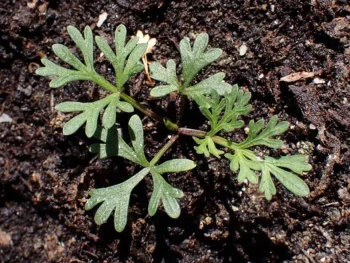
Seseli: A Lesser-Known Member of the Carrot Family
If you’ve stumbled across the name seseli in your gardening adventures, you might be wondering what exactly this plant is and whether it deserves a spot in your garden. Seseli is a somewhat mysterious genus in the carrot family that’s quietly made its way into parts of the United States, though it’s not exactly a household name among gardeners.
What Exactly Is Seseli?
Seseli is a biennial forb, which is just a fancy way of saying it’s a non-woody plant that completes its life cycle over two years. In its first year, it focuses on growing leaves and establishing roots. Come year two, it puts on a show with flowers and seeds before calling it quits. As a member of the carrot family (Apiaceae), seseli shares some family traits with more familiar relatives like dill, fennel, and yes, carrots.
The plant produces those characteristic umbrella-shaped flower clusters (called umbels) that carrot family members are famous for. These delicate, lacy flowers are typically white or pale yellow and have a certain wild, unassuming charm that can add texture to informal garden settings.
Where You’ll Find Seseli
Currently in the United States, seseli has established itself in the District of Columbia and Maryland. It’s not a native plant – this European and Asian genus found its way to North America and has been reproducing on its own in the wild.
- Species observed
- No observations
Should You Grow Seseli?
Here’s where things get interesting. Seseli occupies that gray area of gardening – it’s not native, but it’s also not flagged as problematically invasive. If you’re drawn to its delicate appearance and don’t mind growing a non-native plant, it could work in certain garden situations.
However, if you’re committed to native gardening (and we always encourage exploring native options first!), you might want to consider native alternatives that provide similar aesthetic appeal and better ecological benefits. Native plants like wild bergamot, Queen Anne’s lace look-alikes, or other members of the carrot family that are indigenous to your area would be excellent substitutes.
Growing Conditions and Care
If you decide to give seseli a try, here’s what you need to know:
- Sunlight: Prefers full sun conditions
- Soil: Thrives in well-drained soils and doesn’t appreciate soggy conditions
- Water: Once established, it’s fairly drought tolerant
- Maintenance: Generally low-maintenance once it gets going
Garden Role and Design Ideas
Seseli works best in informal, naturalized garden settings rather than formal flower beds. Its delicate texture and modest height make it a good candidate for:
- Wildflower meadows or prairie-style gardens
- Cottage garden borders
- Areas where you want a soft, natural look
Pollinator and Wildlife Considerations
Like many members of the carrot family, seseli’s small flowers can attract various pollinators, particularly smaller insects like flies and tiny bees. However, since it’s not native, it won’t provide the specialized relationships that native plants have evolved with local wildlife over thousands of years.
The Bottom Line
Seseli is one of those plants that’s neither villain nor hero in the garden world. If you encounter it or are curious about growing it, it’s not going to cause major problems, but it’s also not going to provide the ecological benefits that native plants offer. For most gardeners, especially those interested in supporting local ecosystems, focusing on native alternatives that serve similar design functions would be the more beneficial choice.
Remember, every garden is an opportunity to create habitat and support local wildlife – and native plants are your best allies in that mission!