Severinia: What You Need to Know About This Uncommon Shrub
If you’ve stumbled across the name Severinia in your plant research, you’re not alone in wondering what exactly this shrub is all about. This somewhat mysterious plant has a limited presence in the gardening world, and for good reason – there’s quite a bit we don’t know about it.
The Basics: What Is Severinia?
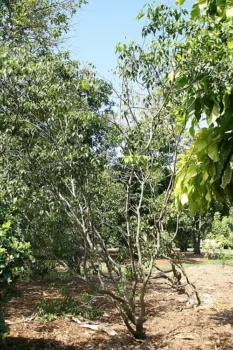
Severinia is a perennial shrub that belongs to the citrus family. Like most shrubs, it’s a multi-stemmed woody plant that typically stays under 13-16 feet tall, though it can occasionally grow taller or develop a single stem depending on growing conditions. Think of it as a distant cousin to your favorite citrus trees, but one that doesn’t get invited to many garden parties.
Where You’ll Find It
Currently, Severinia has established itself in Florida, where it grows and reproduces on its own without human intervention. However, this isn’t a native Florida plant – it’s what botanists call a non-native introduced species that has made itself at home in the Sunshine State.
- Species observed
- No observations
The Big Question: Should You Plant It?
Here’s where things get a bit tricky. While Severinia isn’t currently listed as invasive or noxious, it’s also not a well-studied or widely cultivated plant. This creates a bit of a gardening puzzle – we simply don’t have enough information about its behavior, growing requirements, or ecological impact to make a strong recommendation either way.
If you’re considering adding Severinia to your landscape, here are some things to keep in mind:
- Limited availability from nurseries
- Unknown growing requirements and care needs
- Uncertain wildlife and pollinator benefits
- Unknown hardiness zones and climate preferences
Better Alternatives: Native Florida Shrubs
Given the uncertainty surrounding Severinia, you might want to consider some fantastic native Florida shrubs that will definitely thrive in your landscape while supporting local wildlife:
- Firebush (Hamelia patens) – Attracts butterflies and hummingbirds
- Beautyberry (Callicarpa americana) – Stunning purple berries loved by birds
- Coontie (Zamia integrifolia) – Ancient cycad that’s virtually maintenance-free
- Wild Coffee (Psychotria nervosa) – Glossy leaves and bright red berries
If You’re Set on Severinia
Should you decide to experiment with this uncommon shrub, proceed with caution and responsibility. Since we don’t know its full growing requirements or potential impact, consider treating it as you would any experimental plant:
- Start with just one plant to test its behavior in your garden
- Monitor its growth patterns and spreading tendencies
- Keep detailed records of what works and what doesn’t
- Be prepared to remove it if it shows aggressive spreading behavior
The Bottom Line
Severinia remains something of an enigma in the gardening world. While it’s established itself in Florida and doesn’t appear to be causing major problems, the lack of detailed information about this shrub makes it a risky choice for most gardeners. Your landscape will likely be happier and more successful with well-researched native alternatives that we know will thrive while supporting local ecosystems.
Sometimes the most interesting plants are also the most mysterious – but when it comes to your garden’s success, it’s usually better to go with the tried and true natives that will reward you with beauty, wildlife benefits, and peace of mind.