Shaggy Soldier: The Humble Garden Volunteer You Might Already Know
If you’ve ever noticed small, daisy-like flowers popping up uninvited in your garden beds or lawn, you might have already met Galinsoga quadriradiata, commonly known as shaggy soldier. This unassuming annual plant has quite the story to tell, and whether you consider it a charming wildflower or a persistent weed probably depends on your gardening philosophy.
What Exactly Is Shaggy Soldier?
Shaggy soldier goes by several names—you might also hear it called galinsoga, hairy galinsoga, or quickweed. The shaggy part of its name comes from the fine hairs that cover its stems and leaves, giving the plant a slightly fuzzy appearance. This annual forb (a non-woody flowering plant) belongs to the sunflower family and has made itself quite at home across North America, despite originally hailing from Central and South America.
Where You’ll Find It
This adaptable little plant has spread far and wide since its introduction to North America. You can now find shaggy soldier growing in virtually every state and Canadian province, from Alabama to Alberta, and from California to Nova Scotia. It’s also established in Hawaii and Puerto Rico, proving its remarkable ability to adapt to different climates and conditions.
- Species observed
- No observations
Recognizing Shaggy Soldier
Shaggy soldier is relatively easy to identify once you know what to look for:
- Small white flowers with yellow centers, about 1/4 inch across
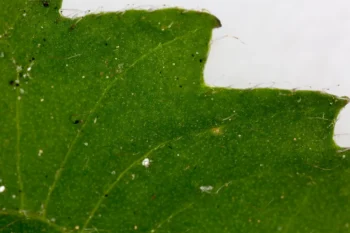
- Hairy stems and leaves (hence the shaggy name)
- Opposite leaves that are somewhat triangular or oval-shaped
- Low-growing habit, typically reaching 1-2 feet tall
- Blooms from summer through fall
- Often found in disturbed soil, garden beds, and lawn edges
Growing Conditions and Habits
One reason shaggy soldier has been so successful is its easygoing nature. This plant isn’t particularly picky about where it grows, though it does have some preferences:
- Thrives in moist, fertile soils but tolerates various soil types
- Prefers full sun to partial shade
- Hardy across USDA zones 2-11 as an annual
- Generally prefers upland areas rather than wetlands
- Self-seeds readily and can produce multiple generations per season
The Pollinator Connection
While shaggy soldier might not win any beauty contests, it does offer some benefits to small pollinators. The tiny white flowers attract various insects including small bees, flies, and other beneficial bugs looking for nectar and pollen. If you’re trying to support pollinator diversity, even these modest blooms play a role in the ecosystem.
Should You Grow Shaggy Soldier?
Here’s where things get interesting. Since shaggy soldier isn’t native to North America, many gardeners prefer to focus on native plants that better support local ecosystems. However, it’s also not considered invasive or noxious, so there’s no urgent need to eliminate it from your garden if you don’t mind its presence.
If you’re looking for native alternatives that offer similar benefits, consider these options:
- Native asters for late-season pollinator support
- Wild bergamot for aromatic foliage and pollinator appeal
- Native goldenrods for fall blooms
- Regional wildflowers that naturally occur in your area
Living with Shaggy Soldier
If you decide to let shaggy soldier stick around, or if it’s already established in your garden, here are some tips for managing it:
- It self-seeds prolifically, so expect it to spread
- Pull it up before it sets seed if you want to control its spread
- It’s easy to hand-weed when the soil is moist
- Can be mowed or cut back to prevent flowering
- Generally doesn’t compete aggressively with established plants
The Bottom Line
Shaggy soldier is one of those plants that exists in the gray area between wildflower and weed. While it’s not native to North America, it’s also not causing major ecological problems. Whether you choose to embrace it, tolerate it, or remove it really depends on your gardening goals and preferences. If you’re committed to native plant gardening, you’ll probably want to replace it with regional natives. But if you appreciate any plant that supports pollinators and doesn’t mind a somewhat informal garden aesthetic, shaggy soldier might just earn a place in your landscape.
Remember, the best garden is one that brings you joy while supporting the environment around you. Sometimes that means making room for humble volunteers like shaggy soldier, and sometimes it means focusing exclusively on the plants that originally called your region home.