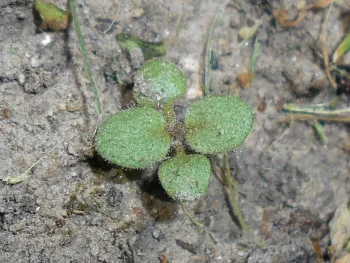
Sharpleaf Cancerwort: A Tiny Mediterranean Wildflower for Low-Maintenance Gardens
If you’re looking for a delicate, low-maintenance annual that can thrive in tough conditions, sharpleaf cancerwort (Kickxia elatine) might catch your eye. This petite Mediterranean native has quietly made itself at home across much of North America, offering tiny snapdragon-like blooms and an easygoing nature that appeals to gardeners who appreciate subtle beauty.
What Is Sharpleaf Cancerwort?
Sharpleaf cancerwort is a small annual forb—essentially an herbaceous flowering plant without woody stems. Don’t let the somewhat ominous common name fool you; this plant has nothing to do with cancer and everything to do with old folk medicine traditions. You might also encounter it under its former scientific names, Antirrhinum elatine or Linaria elatine, in older gardening references.
This charming little plant produces tiny yellow flowers marked with purple, resembling miniature snapdragons. As an annual, it completes its entire life cycle in one growing season, typically reaching just a few inches tall while spreading along the ground in a creeping fashion.
Native Status and Where It Grows
Originally from the Mediterranean region and parts of Europe, sharpleaf cancerwort is considered non-native to North America. However, it has established itself across an impressive range, thriving in states from Alabama to Washington and even making its way into parts of Canada, including British Columbia and Ontario.
- Species observed
- No observations
The plant has adapted well to various North American climates and can be found growing wild in disturbed soils, along roadsides, and in other informal settings where its modest presence often goes unnoticed.
Garden Appeal and Landscape Use
While sharpleaf cancerwort won’t win any awards for showstopping blooms, it offers a quiet charm that works well in specific garden situations. Its low, spreading habit makes it useful as:
- Ground cover for difficult or neglected areas
- Gap filler in rock gardens or between stepping stones
- Addition to wildflower meadows or naturalized areas
- Component of Mediterranean-style gardens
The tiny flowers, while small, do attract beneficial insects and small pollinators, adding some ecological value to your garden space.
Growing Conditions and Care
One of sharpleaf cancerwort’s best qualities is its adaptability. This resilient little plant tolerates poor soils and drought conditions that would stress many other annuals. It performs well in full sun to partial shade and isn’t particularly fussy about soil type.
The plant’s wetland preferences vary by region—in some areas, it sticks to dry upland sites, while in others, it’s comfortable in both wet and dry conditions. This flexibility makes it suitable for USDA hardiness zones 3-10, though as an annual, it’s more about summer growing conditions than winter survival.
Planting and Maintenance
Growing sharpleaf cancerwort is refreshingly simple. The plant readily self-seeds, so you may find volunteers appearing in subsequent years if conditions are favorable. Here’s what you need to know:
- Sow seeds directly in spring after the last frost
- Scatter seeds over prepared soil and lightly rake in
- Water gently until germination occurs
- Once established, the plant typically needs little to no supplemental watering
- No fertilization necessary—it actually prefers lean soils
The minimal care requirements make this an excellent choice for low-maintenance garden areas or spots where you want something growing but don’t want to fuss with regular upkeep.
Should You Grow It?
Sharpleaf cancerwort occupies an interesting middle ground in the gardening world. While it’s not native to North America, it’s also not considered invasive or problematic. It simply exists quietly in the landscape, offering modest benefits without causing significant ecological disruption.
If you appreciate subtle wildflowers and need something for challenging growing conditions, sharpleaf cancerwort could be a reasonable choice. However, if you’re focused on supporting native ecosystems, you might consider native alternatives that offer similar benefits, such as native wildflowers suited to your specific region.
Ultimately, sharpleaf cancerwort is neither a garden villain nor a must-have superstar—it’s simply a humble annual that does its job quietly and efficiently, perfect for gardeners who appreciate understated beauty and low-maintenance solutions.