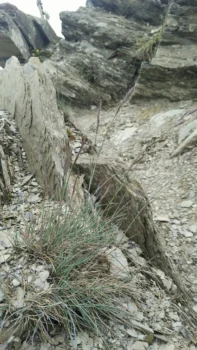
Sheep Fescue: A Hardy Grass for Challenging Garden Spots
If you’ve been searching for a low-maintenance grass that can handle tough conditions, sheep fescue (Festuca ovina) might catch your attention. This perennial bunch grass has earned a reputation as a survivor, thriving in places where other grasses give up. But before you dive in, let’s explore what makes this European native tick and whether it deserves a spot in your landscape.
What is Sheep Fescue?
Sheep fescue is a fine-textured perennial grass that forms neat, compact tufts rather than spreading like a traditional lawn. Despite its common name, it’s not actually native to North America—this hardy grass originally hails from Europe but has naturalized across many U.S. states. You’ll find established populations from California to Maine, and from Washington down to South Carolina.
- Species observed
- No observations
This grass typically stays quite short, reaching only about 6 inches in height, making it almost like nature’s version of a low-growing groundcover. Its gray-green foliage has a fine, wispy texture that creates a soft, naturalized appearance in the landscape.
Why Consider Sheep Fescue?
Sheep fescue shines in situations where other grasses struggle. Here’s what makes it appealing to gardeners:
- Drought champion: Once established, this grass laughs at dry conditions
- Low maintenance: No need for frequent watering, fertilizing, or mowing
- Adaptable: Handles both coarse and medium-textured soils
- Cold hardy: Survives temperatures down to -43°F (USDA zones 4-7)
- Erosion control: Great for stabilizing slopes and difficult terrain
Where Does Sheep Fescue Work Best?
This isn’t your typical lawn grass—sheep fescue excels in specialized situations:
- Rock gardens and naturalized areas
- Slope stabilization projects
- Drought-tolerant landscapes
- Areas with poor, sandy soil
- Low-traffic zones where traditional turf struggles
Keep in mind that sheep fescue prefers upland conditions and rarely tolerates wetland situations across most regions.
Growing Sheep Fescue Successfully
The good news? Sheep fescue is refreshingly easy to grow. Here’s how to give it the best start:
Planting: Start from seed, which is readily available commercially. With over 530,000 seeds per pound, a little goes a long way! Plant in late spring for best results.
Soil requirements: This grass isn’t picky, but it prefers well-draining soil with a pH between 5.5 and 7.5. It adapts well to coarse or medium-textured soils but struggles in heavy clay.
Sun and shade: While sheep fescue tolerates some shade, it performs best in full to partial sun.
Water needs: After establishment, this grass requires minimal irrigation—perfect for water-wise gardening.
Maintenance: Very little needed! The moderate growth rate means infrequent mowing, and its bunch-forming habit prevents aggressive spreading.
Things to Consider
While sheep fescue has its merits, there are a few things to keep in mind. As a non-native species, it doesn’t provide the same ecological benefits as indigenous grasses. It’s wind-pollinated, so it offers minimal value to pollinators, and its wildlife benefits are limited compared to native alternatives.
If you’re focused on supporting local ecosystems, consider these native grass alternatives:
- Buffalo grass (Bouteloua dactyloides) for western regions
- Little bluestem (Schizachyrium scoparium) for prairie-style plantings
- Fine fescue species native to your specific region
The Bottom Line
Sheep fescue fills a useful niche for gardeners dealing with challenging conditions—drought, poor soil, or difficult terrain. While it may not be the most exciting plant in your landscape arsenal, it’s a reliable workhorse that delivers consistent results with minimal fuss. Whether you choose sheep fescue or explore native alternatives, the key is selecting the right plant for your specific site conditions and gardening goals.
For the best of both worlds, consider using sheep fescue in the most challenging spots while incorporating native grasses elsewhere in your landscape. This approach gives you practical solutions for problem areas while still supporting local wildlife and plant communities.