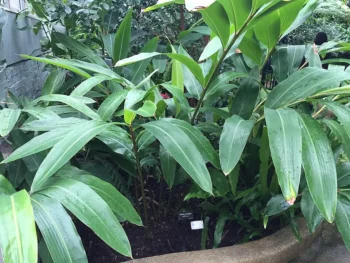
Shellplant: A Striking Tropical Addition to Your Garden
If you’ve been dreaming of adding some serious tropical flair to your landscape, let me introduce you to the shellplant (Alpinia zerumbet). This eye-catching perennial might just be the statement plant your garden has been waiting for – though as with any non-native species, there are a few things worth considering before you dig in.
What Exactly Is Shellplant?
Shellplant, scientifically known as Alpinia zerumbet, is a robust perennial that belongs to the ginger family. You might also see it listed under several other botanical names, including Alpinia nutans, Alpinia speciosa, or Languas speciosa – botanists have been shuffling this beauty around the naming system for years!
This isn’t your average garden flower. Shellplant is classified as a forb, which basically means it’s a non-woody plant that puts all its energy into those gorgeous leaves and flowers rather than building a trunk or woody stems.
Where Does Shellplant Come From?
Here’s where things get interesting from a native gardening perspective. Shellplant originally hails from Southeast Asia, but it’s made itself quite at home in warmer parts of the United States. You’ll find established populations thriving in Florida, Hawaii, Guam, Palau, Puerto Rico, and the Virgin Islands – essentially anywhere the climate reminds it of its Asian homeland.
- Species observed
- No observations
The plant has adapted so well to these new environments that it now reproduces on its own without any human help. While this adaptability is impressive, it’s worth noting that shellplant isn’t native to North American ecosystems.
The Visual Appeal: Why Gardeners Fall for Shellplant
Let’s be honest – shellplant is a showstopper. This tropical beauty can reach heights of 6-10 feet with an equally impressive spread, creating dramatic paddle-shaped leaves that feature stunning cream and green variegation. The foliage alone is enough to make your neighbors stop and stare.
But wait, there’s more! In late spring and summer, shellplant produces drooping clusters of porcelain-like flowers that are simply magical. These white blooms are delicately marked with yellow and red accents, dangling like natural ornaments from the plant’s stems. The flowers eventually give way to bright red seed pods that add another layer of visual interest.
Finding the Right Spot in Your Garden
Shellplant works beautifully as:
- A dramatic specimen plant in tropical or subtropical landscapes
- Part of a lush border planting
- A natural privacy screen (thanks to its substantial size)
- A container plant for patios and large outdoor spaces
This plant really shines in coastal gardens, tropical-themed landscapes, and any space where you want to create that vacation in paradise feeling year-round.
Growing Conditions: Keeping Your Shellplant Happy
Shellplant is surprisingly adaptable, but it does have preferences. In terms of hardiness, you’ll want to be in USDA zones 8b through 11 – essentially areas where hard freezes are rare or nonexistent.
For optimal growth, provide:
- Partial shade to full sun (morning sun with afternoon shade is ideal)
- Consistently moist, well-draining soil
- Protection from strong winds (those large leaves can be vulnerable)
- Warm temperatures year-round
Regarding moisture, shellplant typically prefers upland conditions rather than wetland areas, though it can tolerate some variation depending on your region.
Planting and Care Tips
Getting started with shellplant is relatively straightforward:
- Planting: Choose a location with good air circulation and room for the plant to reach its full size
- Watering: Keep soil consistently moist but not waterlogged
- Mulching: Apply a thick layer of organic mulch to retain moisture and suppress weeds
- Maintenance: Remove spent flower stalks and damaged leaves regularly
- Division: Every 3-4 years, divide clumps to maintain vigor and create new plants
Benefits for Pollinators and Wildlife
While we don’t have extensive data on shellplant’s specific wildlife benefits in North American ecosystems, those beautiful flowers do attract bees and other pollinators when in bloom. This can be a nice bonus for gardeners looking to support local pollinator populations.
The Native Plant Perspective
As a native plant enthusiast, I’d be remiss not to mention that while shellplant isn’t invasive or problematic, it also isn’t contributing to local ecosystems the way native species would. If you’re torn between exotic appeal and ecological benefits, consider exploring native alternatives that might offer similar tropical aesthetics – perhaps native gingers if available in your region, or other large-leaved perennials that support local wildlife.
That said, if you’ve got your heart set on shellplant and you garden responsibly (preventing spread beyond your intended planting area), it can certainly add spectacular beauty to the right landscape.
The Bottom Line
Shellplant is undeniably gorgeous and relatively easy to grow in the right conditions. It’s perfect for gardeners in warm climates who want to create a tropical paradise in their backyard. Just remember to give it plenty of space, consistent moisture, and protection from harsh winds.
Whether or not to add shellplant to your garden ultimately comes down to your gardening goals, local climate, and personal preferences. If you decide to grow it, you’ll certainly have one of the most striking plants in the neighborhood!