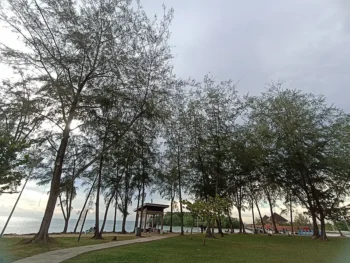
Sheoak Trees: The Needle-Leafed Newcomers Worth Knowing
If you’ve ever spotted a tree that looks like it can’t decide whether it wants to be a pine or something entirely different, you might have encountered a sheoak. These distinctive trees, scientifically known as Casuarina, have found their way into landscapes across warmer parts of the United States, bringing their unique needle-like foliage and graceful drooping branches along for the ride.
What Exactly Is a Sheoak?
Sheoak trees are perennial woody plants that typically grow as single-trunked trees reaching heights greater than 13-16 feet. Despite their pine-like appearance, they’re actually quite different from conifers. Their needles are really tiny, scale-like leaves arranged along slender, drooping branchlets that give the tree its characteristic weeping appearance.
Where Do Sheoaks Come From and Where Are They Now?
Originally hailing from Australia and surrounding Pacific islands, sheoaks have established themselves as non-native residents in several U.S. locations. These adaptable trees have naturalized and reproduce on their own in Florida, Hawaii, Puerto Rico, the U.S. Virgin Islands, and other Pacific territories. They’ve essentially made themselves at home in these warmer climates.
- Species observed
- No observations
Should You Plant a Sheoak?
Here’s where things get interesting. While sheoaks aren’t necessarily bad plants, they’re not native to the continental United States. This means they don’t provide the same ecological benefits as plants that evolved alongside our local wildlife and ecosystems.
However, if you’re drawn to their unique aesthetic, sheoaks do offer some practical benefits:
- Excellent salt tolerance, making them suitable for coastal areas
- Strong wind resistance, useful as windbreaks
- Drought tolerance once established
- Interesting texture and form in Mediterranean-style landscapes
Before You Plant: Consider Native Alternatives
Before adding a sheoak to your landscape, consider exploring native trees that might offer similar benefits while supporting local ecosystems. Native alternatives can provide better habitat for local birds, beneficial insects, and other wildlife that have evolved alongside them.
Growing Sheoaks Successfully
If you decide a sheoak is right for your specific situation, here’s what you need to know:
Growing Conditions
- Sunlight: Full sun is essential for healthy growth
- Soil: Well-draining soil is crucial; these trees hate wet feet
- Climate: Best suited for USDA hardiness zones 9-11
- Salt tolerance: Excellent for coastal plantings
Planting and Care Tips
Sheoaks are relatively low-maintenance once they get their roots established. Here are some key care points:
- Plant in spring or fall when temperatures are milder
- Water regularly during the first year to help establish roots
- Once established, they’re quite drought tolerant
- Minimal pruning needed; they naturally develop an attractive form
- Watch for any signs of aggressive spreading in your area
Landscape Role and Design Ideas
In the right setting, sheoaks can serve several landscape functions:
- Windbreak or privacy screen
- Specimen tree for Mediterranean or coastal-themed gardens
- Background planting in xeriscaped areas
- Erosion control on slopes (where appropriate)
Wildlife and Pollinator Considerations
Sheoaks are wind-pollinated, so they don’t offer much in terms of nectar for bees and butterflies. Their wildlife value is limited compared to native species, which is another reason to consider native alternatives that can provide food and habitat for local fauna.
The Bottom Line
Sheoaks are hardy, distinctive trees that can thrive in challenging coastal and dry conditions. While they’re not inherently problematic, they’re also not the most ecologically beneficial choice for most gardens. If you’re considering one, weigh its practical benefits against the potential advantages of choosing a native species that supports your local ecosystem. Sometimes the most interesting choice isn’t necessarily the best choice for your garden’s long-term health and environmental impact.