Sherard’s Downy Rose: A European Beauty in American Gardens
If you’ve stumbled across the name Sherard’s downy rose (Rosa sherardii) in your plant research, you might be wondering whether this lesser-known rose deserves a spot in your garden. This perennial shrub brings a touch of European charm to American landscapes, but like many introduced species, it comes with both benefits and considerations worth exploring.
What Exactly is Sherard’s Downy Rose?
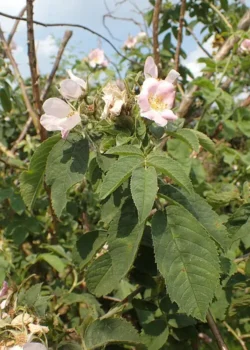
Rosa sherardii is a multi-stemmed woody shrub that typically stays under 13-16 feet tall, though it usually grows much smaller in garden settings. True to its name, this rose features distinctively downy (fuzzy) foliage that sets it apart from many of its rose relatives. The plant produces delicate pink to white flowers that, while not as showy as hybrid tea roses, offer their own understated charm.
Where Does It Grow?
Originally hailing from Europe, particularly Britain and northern European regions, Sherard’s downy rose has made its way to North America as an introduced species. In the United States, it’s currently documented as growing wild in Vermont, where it has established itself and reproduces without human intervention.
- Species observed
- No observations
The Good, The Bad, and The Considerations
Before you decide whether to invite Rosa sherardii into your garden, let’s weigh the pros and cons:
Reasons You Might Love It:
- Low maintenance once established
- Attracts pollinators like bees with its simple flowers
- Produces rose hips that feed birds and other wildlife
- Tolerates harsh conditions (hardy in USDA zones 3-7)
- Interesting downy foliage texture adds visual interest
Reasons for Pause:
- Non-native species that may outcompete local plants
- Can spread aggressively and form dense thickets
- Limited availability compared to popular rose varieties
- Not as ornamentally striking as many cultivated roses
Growing Sherard’s Downy Rose Successfully
If you decide to grow Rosa sherardii, here’s what you need to know:
Ideal Growing Conditions:
- Prefers full sun to partial shade
- Adapts to various soil types but likes well-drained conditions
- Thrives in USDA hardiness zones 3-7
- Tolerates poor soils and challenging conditions
Planting and Care Tips:
- Plant in spring after the last frost
- Space plants adequately as they can spread
- Water regularly during the first growing season
- Prune in late winter or early spring to control size and shape
- Monitor for aggressive spreading and manage accordingly
Garden Design Ideas
Sherard’s downy rose works best in naturalized settings rather than formal gardens. Consider it for:
- Wild or cottage-style gardens
- Erosion control on slopes
- Wildlife-friendly landscapes
- Areas where you want low-maintenance ground coverage
Native Alternatives to Consider
Since Rosa sherardii isn’t native to North America, you might want to consider these beautiful native alternatives that provide similar benefits:
- Wild rose (Rosa carolina) – stunning pink flowers and excellent wildlife value
- Prairie rose (Rosa setigera) – climbing habit with fragrant flowers
- Woods’ rose (Rosa woodsii) – perfect for western gardens
The Bottom Line
Sherard’s downy rose occupies an interesting niche in the gardening world. While it’s not native and can be aggressive, it’s also not currently listed as invasive in most areas. If you have a wild garden or naturalized area where you want something unusual and low-maintenance, it could be worth trying. However, if you’re looking to support local ecosystems, native rose species will give you similar beauty with greater ecological benefits.
Whatever you choose, remember that the best garden is one that reflects your personal style while being mindful of the local environment. Happy gardening!