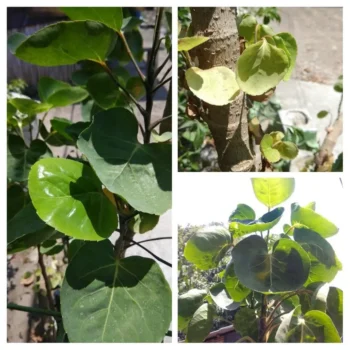
Shield Aralia: A Glossy-Leaved Tropical Beauty for Your Garden
If you’re dreaming of adding some tropical flair to your garden or home, shield aralia might just catch your eye. This glossy-leaved shrub has been winning over plant enthusiasts with its lush appearance and relatively easygoing nature. But before you fall head over heels, let’s dig into what makes this plant tick and whether it’s the right fit for your green space.
Meet the Shield Aralia
Shield aralia (Polyscias scutellaria) is a perennial shrub that brings serious tropical vibes wherever it grows. You might also see it listed under its botanical synonyms Polyscias balfouriana or Polyscias pinnata, but don’t let the name confusion fool you – it’s all the same plant!
This multi-stemmed woody wonder typically stays under 13-16 feet tall, making it a manageable size for most gardens. What really sets it apart are those gorgeous, glossy compound leaves with their distinctive rounded leaflets that seem to catch and reflect light beautifully.
Where Does It Call Home?
Originally hailing from the Pacific Islands, particularly around Vanuatu, shield aralia has made itself quite comfortable in warmer regions. Today, you’ll find it growing in Guam, Palau, and Puerto Rico, where it’s established itself as a non-native species that reproduces on its own in the wild.
- Species observed
- No observations
The Good, The Bad, and The Beautiful
Let’s be honest about shield aralia’s status: it’s not native to most places where it’s grown, including the continental United States. While it’s not currently flagged as invasive or problematic, it’s worth considering native alternatives that could provide similar aesthetic appeal while supporting local ecosystems.
That said, if you’re drawn to its tropical good looks, here’s what makes shield aralia appealing:
- Stunning glossy foliage that adds instant tropical atmosphere
- Manageable size perfect for smaller gardens or containers
- Works beautifully as a specimen plant, privacy screen, or accent piece
- Adapts well to both indoor and outdoor growing (in appropriate climates)
Growing Your Shield Aralia Successfully
Shield aralia is happiest in USDA hardiness zones 10-12, but don’t worry if you live somewhere cooler – it makes an excellent houseplant! Here’s how to keep yours thriving:
Light and Location
Think bright but not blazing. Shield aralia loves bright, indirect light but can get a bit cranky if you stick it in harsh, direct sunlight. Indoors, a spot near an east or north-facing window works wonderfully.
Soil and Water
Well-draining soil is non-negotiable – nobody likes soggy feet, especially not your shield aralia! Keep the soil consistently moist but never waterlogged. A good rule of thumb: water when the top inch of soil feels dry to the touch.
Humidity and Temperature
This tropical native craves humidity and warm temperatures. If you’re growing it indoors, consider using a humidifier or placing it on a pebble tray filled with water. Keep temperatures consistently warm and protect it from cold drafts or sudden temperature drops.
Maintenance Tips
Want to keep your shield aralia looking bushy and full? Pinch the growing tips regularly. This encourages branching and prevents it from getting too leggy. It’s also pretty forgiving if you need to do some pruning to maintain its shape.
Garden Design Ideas
Shield aralia shines in tropical and subtropical garden designs where it can play several roles:
- Use as a specimen plant to create a focal point
- Plant in groups for a lush privacy screen
- Add to container gardens for moveable tropical appeal
- Incorporate into sheltered outdoor areas like patios or courtyards
Consider Native Alternatives
While shield aralia certainly has its charms, consider exploring native plants that could provide similar tropical aesthetics while supporting local wildlife. Depending on your region, native alternatives might include indigenous shrubs with attractive foliage or interesting growth habits that could serve similar design purposes.
The Bottom Line
Shield aralia can be a lovely addition to the right garden or home, especially if you’re after that lush, tropical look. Just remember to be mindful of its non-native status and consider how it fits into your broader gardening philosophy. Whether you choose to grow it or explore native alternatives, the most important thing is creating a space that brings you joy while being responsible to your local environment.
Happy gardening, and may your plants be as glossy and gorgeous as you dreamed they’d be!