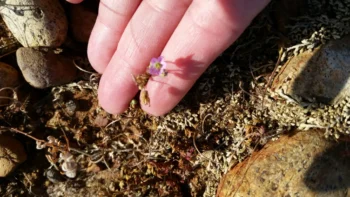
Shortfruit Stork’s Bill: A Mediterranean Annual for West Coast Gardens
If you’ve ever wondered about those delicate pink flowers popping up in California and Oregon gardens, you might be looking at shortfruit stork’s bill (Erodium brachycarpum). This charming little annual has made itself at home along the West Coast, though it originally hails from much farther away.
What is Shortfruit Stork’s Bill?
Shortfruit stork’s bill is a non-native annual forb that belongs to the geranium family. As a forb, it’s essentially an herbaceous flowering plant without woody stems – think of it as nature’s version of a seasonal wildflower. The plant gets its quirky stork’s bill name from its distinctive seed pods that resemble a bird’s long beak.
You might also see this plant listed under its synonym, Erodium obtusiplicatum, in some older gardening references.
Where Does It Grow?
Currently, shortfruit stork’s bill has established populations in California and Oregon, where it reproduces on its own without human intervention. This Mediterranean native has found the West Coast’s climate quite agreeable.
- Species observed
- No observations
Should You Plant It in Your Garden?
Here’s where things get interesting. While shortfruit stork’s bill isn’t necessarily problematic, its status as a non-native plant means it won’t provide the same ecological benefits as indigenous species. The plant’s invasive potential remains unclear, so gardeners should approach it with informed caution.
If you’re drawn to the delicate beauty of stork’s bill flowers, consider these native alternatives instead:
- Native geraniums like sticky geranium (Geranium viscosissimum)
- Regional wildflowers that support local pollinators
- Indigenous groundcovers suited to your specific area
Growing Shortfruit Stork’s Bill
If you already have this plant in your garden or choose to grow it, here’s what you need to know:
Ideal Growing Conditions
- Full sun exposure
- Well-draining soil
- Moderate to low water requirements
- USDA zones 8-10 (based on current distribution)
Plant Characteristics
As an annual, shortfruit stork’s bill completes its entire life cycle in one growing season. The small pink to purple flowers are typical of the Erodium genus, creating a delicate display that some gardeners find appealing. Being a forb, it maintains a low, herbaceous growth habit without developing woody stems.
Care and Maintenance
Like many Mediterranean plants, shortfruit stork’s bill likely prefers minimal fussing once established. These plants typically appreciate:
- Infrequent deep watering rather than frequent shallow watering
- Good drainage to prevent root rot
- Minimal fertilization
The Bottom Line
While shortfruit stork’s bill can be an attractive addition to West Coast gardens, remember that native plants almost always offer greater benefits to local ecosystems. If you’re planning a new garden or renovation, consider prioritizing indigenous species that support local wildlife and require less maintenance once established.
If you do choose to include non-native plants like shortfruit stork’s bill, keep an eye on their spread and be prepared to manage them responsibly. After all, the best gardens are those that work in harmony with their local environment!