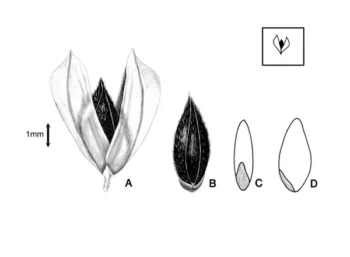
Shortspike Canarygrass: An Unassuming Non-Native Grass
If you’ve ever wondered about that modest little grass popping up in wet areas around your neighborhood, you might be looking at shortspike canarygrass (Phalaris brachystachys). This annual grass isn’t exactly what you’d call a garden showstopper, but it has certainly made itself at home across several U.S. states.
What Is Shortspike Canarygrass?
Shortspike canarygrass is a non-native annual grass that originally hails from the Mediterranean region. As its name suggests, it’s part of the canarygrass family, though it’s definitely the understated cousin in the group. This graminoid (that’s botanist-speak for grass-like plants) has managed to establish itself in the wild across multiple states without any help from humans.
Where You’ll Find It
This adaptable little grass has spread across six states: California, Hawaii, Louisiana, Missouri, Oregon, and Texas. It tends to pop up in disturbed areas, along roadsides, and in places where the soil stays fairly moist.
- Species observed
- No observations
Growing Habits and Appearance
As an annual grass, shortspike canarygrass completes its entire life cycle in one growing season. It’s classified as a facultative wetland plant, which is a fancy way of saying it really likes wet feet but can tolerate drier conditions if needed. You’ll typically find it in:
- Wetland edges
- Seasonally moist areas
- Disturbed soils
- Areas with variable moisture levels
The plant isn’t particularly tall or showy – it produces small, narrow seed heads that are easily overlooked among other vegetation.
Should You Plant It in Your Garden?
Here’s where things get interesting (or not so interesting, depending on your perspective). While shortspike canarygrass isn’t listed as invasive or noxious, there’s really no compelling reason to intentionally add it to your landscape. It offers minimal ornamental value and doesn’t provide significant benefits to pollinators since it’s wind-pollinated.
Instead of shortspike canarygrass, consider these native alternatives that will give you much more bang for your gardening buck:
- Native sedges for wetland areas
- Regional native grasses suited to your climate
- Indigenous rushes for consistently moist spots
The Bottom Line
Shortspike canarygrass is one of those plants that’s simply there – not causing major problems, but not adding much to the party either. If you spot it growing wild in your area, you can simply acknowledge it and move on to planning more exciting additions to your native plant garden.
When it comes to creating a landscape that supports local wildlife and showcases the beauty of your region’s natural heritage, you’ll get far better results by choosing plants that actually belong in your neck of the woods. Your local pollinators, birds, and other wildlife will thank you for it!