Showy Baby’s-Breath: A Delicate Annual for Your Garden
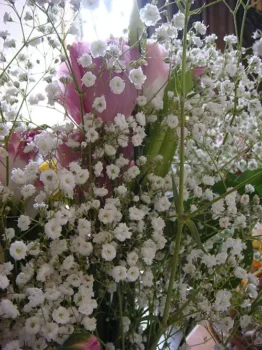
If you’ve ever admired those clouds of tiny, delicate flowers that seem to float above garden beds like morning mist, you’ve likely encountered showy baby’s-breath. Known botanically as Gypsophila elegans, this charming annual has been winning over gardeners with its ethereal beauty and surprisingly easy-going nature.
What is Showy Baby’s-Breath?
Showy baby’s-breath is an annual forb – essentially a non-woody flowering plant that completes its entire life cycle in one growing season. Sometimes it behaves as a biennial, taking two years to complete its cycle. This delicate beauty belongs to the carnation family and creates those signature airy clusters of small white or pink flowers that gardeners adore.
Where Does It Come From?
Originally hailing from the Caucasus region and parts of southeastern Europe and Asia Minor, showy baby’s-breath isn’t native to North America. However, it has established itself across much of the continent, from Alaska down to North Carolina, and from coast to coast. You’ll find it growing in states and provinces including Alberta, Alaska, California, Ontario, Colorado, Connecticut, Quebec, Saskatchewan, Yukon, and many others throughout the lower 48 states.
- Species observed
- No observations
Why Gardeners Love (and Sometimes Question) This Plant
There’s no denying the appeal of showy baby’s-breath. Its delicate, cloud-like flower clusters add an almost magical quality to garden beds and bouquets. The plant typically reaches 12-18 inches tall with a similar spread, creating a perfect filler that doesn’t overwhelm its neighbors.
However, since it’s not native to North America, some environmentally conscious gardeners prefer to choose native alternatives that better support local ecosystems. If you’re looking for native options with similar delicate appeal, consider wild bergamot, white wild indigo, or native asters depending on your region.
Garden Roles and Design Ideas
Showy baby’s-breath excels as:
- A filler plant between bolder flowers
- Cut flower garden staple
- Cottage garden companion
- Annual border edging
- Container garden addition
Its fine texture and airy appearance make it perfect for softening harsh lines and creating romantic, cottage-style plantings. The flowers are excellent for fresh or dried arrangements, maintaining their charm long after cutting.
Growing Conditions and Care
One of the best things about showy baby’s-breath is its unfussy nature. This adaptable annual thrives in:
- Sunlight: Full sun (6+ hours daily)
- Soil: Well-draining soil, even tolerates poor or alkaline conditions
- Water: Moderate water; drought tolerant once established
- Hardiness: Grown as an annual in USDA zones 2-11
Planting and Care Tips
Growing showy baby’s-breath is refreshingly straightforward:
- When to plant: Direct sow seeds in spring after last frost
- Spacing: Plant seeds 6-12 inches apart
- Successive planting: Sow new seeds every 2-3 weeks for continuous blooms
- Maintenance: Minimal care required – just occasional watering in dry spells
- Deadheading: Remove spent flowers to encourage more blooms
Wildlife and Pollinator Benefits
While not native, showy baby’s-breath does offer some benefits to garden visitors. The small flowers attract butterflies and various beneficial insects, though native plants would provide more substantial support for local wildlife populations.
The Bottom Line
Showy baby’s-breath earns its place in gardens through sheer charm and reliability. While it may not be native, it’s not considered invasive either, making it a reasonable choice for gardeners who appreciate its delicate beauty. If you’re focused on supporting native ecosystems, consider pairing it with native plants or exploring indigenous alternatives that offer similar aesthetic appeal.
Whether you choose to grow it or not, there’s no denying that those clouds of tiny flowers have a special way of adding magic to any garden space.