Shrubby Pencilflower: A Tropical Legume for Warm Climate Gardens
Meet the shrubby pencilflower (Stylosanthes fruticosa), a compact flowering shrub that’s been quietly making itself at home in tropical gardens. While you might not find this plant at your typical garden center, it’s worth getting acquainted with this unassuming but useful addition to warm-climate landscapes.
What Is Shrubby Pencilflower?
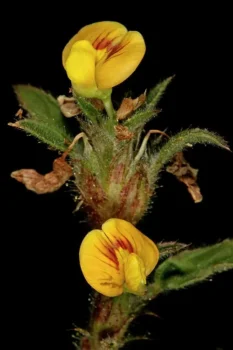
Shrubby pencilflower is a perennial legume that forms a multi-stemmed woody shrub, typically staying under 13-16 feet tall. Don’t let the name fool you – the flowers aren’t pencil-shaped at all! Instead, this plant produces cheerful yellow pea-like blooms that attract pollinators throughout its growing season. The compound leaves give it a delicate, feathery appearance that adds nice texture to garden beds.
You might also encounter this plant listed under its synonym, Stylosanthes mucronata, in older gardening references or plant catalogs.
Where Does It Come From?
Originally hailing from South America, particularly Brazil and surrounding regions, shrubby pencilflower has found its way to various tropical and subtropical locations around the world. In the United States, you’ll find it growing in Hawaii, where it has established itself and reproduces naturally in the wild.
- Species observed
- No observations
Should You Plant Shrubby Pencilflower?
Here’s where things get interesting. As a non-native species that naturalizes readily, shrubby pencilflower sits in that gray area that makes gardeners pause and think. Let’s break down the pros and cons:
The Good Stuff
- Nitrogen fixer: Like other legumes, it improves soil by fixing nitrogen
- Pollinator friendly: Those yellow flowers attract bees and other small pollinators
- Low maintenance: Once established, it’s quite drought tolerant
- Erosion control: Great for stabilizing slopes or problem areas
- Attractive foliage: The compound leaves add nice texture to garden beds
Things to Consider
Since shrubby pencilflower isn’t native to North American ecosystems, you might want to consider whether native alternatives could serve the same purpose in your garden. Native plants typically provide better support for local wildlife and are naturally adapted to your local conditions.
That said, if you’re in USDA hardiness zones 9-11 and looking for a tough, drought-tolerant shrub that can handle poor soils, shrubby pencilflower might fit the bill.
Perfect Garden Situations
Shrubby pencilflower shines in:
- Tropical and subtropical restoration projects
- Slopes needing erosion control
- Areas with poor, compacted soil
- Low-water or drought-tolerant gardens
- Informal, naturalistic landscapes
How to Grow Shrubby Pencilflower
The good news? This plant is refreshingly unfussy once you understand its basic needs.
Growing Conditions
- Sunlight: Full sun for best flowering
- Soil: Well-draining soil; tolerates poor conditions
- Water: Drought tolerant once established, but appreciates occasional watering
- Climate: USDA zones 9-11 (won’t tolerate frost)
Planting and Care Tips
Getting shrubby pencilflower established is straightforward:
- Plant in spring after the last frost danger has passed
- Space plants 3-4 feet apart to allow for mature spread
- Water regularly during the first growing season to establish roots
- Once established, water only during extended dry periods
- Prune lightly in late winter to maintain shape and encourage flowering
- No fertilizer needed – remember, this plant fixes its own nitrogen!
The Bottom Line
Shrubby pencilflower is one of those plants that won’t win any beauty contests but earns its keep through sheer usefulness. If you need a tough, low-maintenance shrub for challenging conditions in a warm climate, it’s worth considering. Just remember to explore native alternatives first – your local ecosystem will thank you for it!
Whether you choose to plant shrubby pencilflower or opt for a native alternative, the key is selecting plants that work well in your specific conditions while supporting the broader ecosystem around your garden.