Siberian Crab Apple: A Hardy Ornamental for Cold Climate Gardens
Looking for a tough, reliable small tree that can handle harsh winters while still putting on a beautiful spring show? Meet the Siberian crab apple (Malus ×robusta), a hardy hybrid that’s earned its place in many northern gardens through sheer determination and charm.
What Is the Siberian Crab Apple?
The Siberian crab apple is a perennial shrub or small tree that typically grows as a multi-stemmed woody plant, usually staying under 13-16 feet tall. As a hybrid species, it combines the best traits of its Asian parent species, resulting in a remarkably cold-hardy ornamental that can thrive where many other flowering trees struggle.
Where Does It Grow?
This non-native species has established itself in parts of the United States, particularly in New York and Ohio, where it reproduces naturally without human intervention. While it originated from Asian parent species, it has adapted well to North American growing conditions in colder regions.
- Species observed
- No observations
Why Consider Growing Siberian Crab Apple?
Here are some compelling reasons gardeners choose this resilient tree:
- Exceptional cold hardiness: Thrives in USDA zones 3-7, making it perfect for northern climates
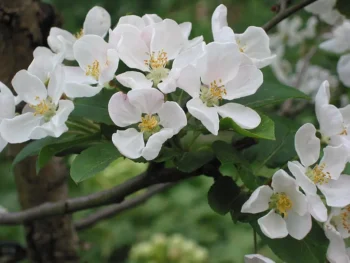
- Beautiful spring display: Produces masses of white to pink flowers that create a stunning focal point
- Attractive fruit: Small red or yellow crabapples add visual interest and can attract wildlife
- Compact size: Perfect for smaller landscapes and urban gardens where space is limited
- Low maintenance: Once established, requires minimal care and attention
Aesthetic Appeal and Landscape Role
The Siberian crab apple serves as an excellent specimen tree or can be incorporated into mixed plantings. Its spring flower display rivals many ornamental cherries, while the small fruits provide autumn interest. The tree works beautifully in urban settings, small residential gardens, and park landscapes where you need reliable performance without constant fussing.
Pollinator and Wildlife Benefits
The abundant spring flowers are magnets for bees, butterflies, and other pollinators, making this tree a valuable addition to pollinator-friendly gardens. The small fruits, while not always palatable to humans, can provide food for birds and other wildlife during fall and winter months.
Growing Conditions and Care
One of the best things about Siberian crab apple is its adaptability:
- Sunlight: Prefers full sun for best flowering and fruiting
- Soil: Tolerates various soil types but performs best in well-drained conditions
- Water: Drought tolerant once established, though regular watering helps young trees get established
- Climate: Extremely cold hardy, perfect for zones 3-7
Planting and Care Tips
Getting your Siberian crab apple off to a good start is straightforward:
- Plant in spring or fall when temperatures are moderate
- Choose a location with good air circulation to prevent disease issues
- Water regularly during the first growing season to establish roots
- Apply a 2-3 inch layer of mulch around the base, keeping it away from the trunk
- Minimal pruning needed – just remove dead, damaged, or crossing branches
- Watch for common apple family pests like aphids or scale insects
Consider Native Alternatives
While Siberian crab apple is a reliable performer, you might also consider these native alternatives that provide similar benefits:
- American crab apple (Malus coronaria): Native species with fragrant flowers
- Serviceberry (Amelanchier species): Native trees with spring flowers and edible berries
- Hawthorn (Crataegus species): Native options with similar size and spring interest
The Bottom Line
Siberian crab apple offers reliable beauty and performance for gardeners in cold climates who want a low-maintenance flowering tree. While it’s not native to North America, it’s proven to be a well-behaved addition to many landscapes. Whether you choose this hardy hybrid or opt for a native alternative, you’ll be rewarded with spring flowers, wildlife benefits, and years of enjoyment from your small ornamental tree.
Just remember – in gardening, as in life, sometimes the toughest customers turn out to be the most rewarding companions!