Siberian Pine: A Majestic Cold-Hardy Conifer for Spacious Gardens
If you’ve ever dreamed of having a tree that could survive a Siberian winter while producing edible nuts, meet the Siberian pine (Pinus sibirica). This impressive conifer brings a touch of the wild taiga to your landscape – though you’ll need plenty of room and patience for this slow-growing giant.
What Makes Siberian Pine Special
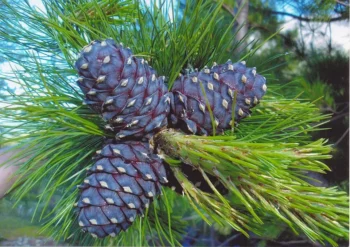
The Siberian pine, also known by its synonym Pinus cembra var. sibirica, is nature’s answer to extreme cold tolerance. This evergreen beauty forms a dense, pyramidal crown that’s absolutely stunning against a winter sky. Its blue-green needles grow in clusters of five, creating a soft, feathery texture that adds visual interest year-round.
But here’s where it gets really exciting – this tree produces large, edible pine nuts! The ornamental cones that house these tasty treats add another layer of appeal for both humans and wildlife.
Where Does It Come From?
This hardy survivor calls the vast taiga forests of Siberia, northern Mongolia, and northeastern Kazakhstan home. It’s perfectly adapted to harsh, cold climates where many other trees simply can’t survive.
Growing Conditions and Care
Siberian pine thrives in USDA hardiness zones 3-6, making it an excellent choice for northern gardeners who struggle to find suitable evergreens. Here’s what this tree needs to flourish:
- Full sun exposure
- Well-drained, acidic to neutral soil
- Adequate moisture, especially when young
- Protection from strong winds in exposed locations
- Plenty of space – these trees can reach 50-60 feet tall and 20-25 feet wide
Planting and Maintenance Tips
Spring is the best time to plant your Siberian pine. Give it plenty of room to grow – we’re talking 20-30 feet from other large trees or structures. Once planted, mulch around the base to retain moisture and suppress weeds, but keep the mulch away from the trunk.
The good news? These trees are relatively low-maintenance once established. They’re drought-tolerant and rarely need pruning beyond removing dead or damaged branches. Just remember – patience is key! Siberian pines grow slowly, so think of this as a gift to future generations.
Landscape Role and Design Ideas
Siberian pine works beautifully as:
- A dramatic specimen tree on large properties
- Part of a windbreak planting
- An evergreen backdrop for seasonal plantings
- Wildlife habitat in naturalized areas
This tree is best suited for parks, arboretums, large residential properties, or rural settings where its mature size won’t overwhelm the space.
Wildlife and Environmental Benefits
While Siberian pine doesn’t directly attract pollinators (it’s wind-pollinated), it provides valuable habitat structure for birds and small mammals. The nutritious pine nuts are a food source for various wildlife species, and the dense branching offers nesting sites and shelter.
Should You Plant Siberian Pine?
Siberian pine isn’t native to North America, so if you’re focused on supporting local ecosystems, consider native alternatives like Eastern White Pine (Pinus strobus) or Western White Pine (Pinus monticola), depending on your region. However, if you have the space and climate for it, Siberian pine can be a unique and valuable addition to your landscape.
This tree is perfect for gardeners who:
- Live in very cold climates (zones 3-6)
- Have large properties with room for a substantial tree
- Appreciate unique, slow-growing specimens
- Want to create wildlife habitat
- Are interested in edible landscaping
Just remember, this is a long-term commitment – your Siberian pine will outlive you by many decades, slowly growing into a magnificent testament to your gardening vision!