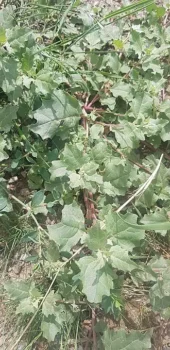
Siberian Saltbush: What Gardeners Need to Know About This Non-Native Annual
If you’ve stumbled across the name Siberian saltbush (Atriplex sibirica) in your gardening research, you might be wondering whether this plant deserves a spot in your landscape. While the name might sound exotic and intriguing, this non-native annual has a rather unremarkable story that’s worth understanding before you make any planting decisions.
The Basics: What Is Siberian Saltbush?
Siberian saltbush is exactly what its name suggests – a saltbush species that hails from Siberia and other parts of Asia. This annual plant has made its way to North America, where it now reproduces on its own in the wild without any human assistance. While it’s established itself as a naturalized species, it’s important to remember that it’s not originally from our neck of the woods.
Where You’ll Find It
Currently, Siberian saltbush has been documented in Massachusetts, making it quite limited in its North American distribution compared to other introduced species. This relatively narrow range suggests it hasn’t become a widespread colonizer – at least not yet.
- Species observed
- No observations
Why Most Gardeners Skip This One
Here’s the thing about Siberian saltbush: it’s not exactly what you’d call a garden showstopper. As an annual saltbush, it lacks the ornamental appeal that most gardeners seek. The plant doesn’t offer significant aesthetic value, and its weedy nature means it’s more likely to pop up where you don’t want it rather than enhance your carefully planned landscape design.
Since this species reproduces spontaneously and persists without human intervention, there’s also the question of whether encouraging its spread through cultivation is the best choice for local ecosystems.
Growing Conditions and Care
While specific growing requirements for Siberian saltbush aren’t well-documented, saltbush species in general are known for their tolerance of poor, saline soils. These plants typically thrive in disturbed areas and can handle conditions that would challenge more finicky garden plants. However, this hardiness is more of a survival trait than a desirable garden characteristic.
Better Alternatives for Your Garden
Instead of planting Siberian saltbush, consider these native alternatives that offer similar hardiness with greater ecological benefits:
- Native saltbush species (where regionally appropriate)
- Native plants adapted to poor soils in your area
- Regional wildflowers that support local pollinators and wildlife
- Native grasses that provide habitat and erosion control
The Bottom Line
While Siberian saltbush isn’t necessarily harmful, it doesn’t bring much to the table for home gardeners either. Its limited ornamental value, non-native status, and weedy characteristics make it a plant that most gardeners can happily do without. Your garden space is valuable real estate – why not use it for plants that truly enhance your landscape while supporting local wildlife?
If you’re dealing with challenging growing conditions that make you think saltbush might be your only option, reach out to your local extension office or native plant society. They can suggest hardy native alternatives that will give you better results and contribute positively to your local ecosystem.