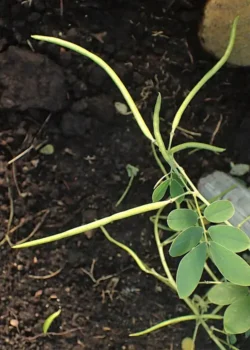
Sickle Senna: A Tropical Beauty with a Twist
Meet sickle senna (Senna tora), a charming yellow-flowered plant that’s been making itself at home in gardens across warmer regions of the United States. While this perennial forb isn’t native to North America, it’s certainly made an impression with its cheerful blooms and easy-going nature. But before you rush to add it to your garden, let’s dive into what makes this plant tick and whether it deserves a spot in your landscape.
What’s in a Name?
Botanically known as Senna tora, this plant goes by the common name sickle senna, likely referring to the curved shape of its seed pods. You might also see it listed under its former scientific name, Cassia tora. Whatever you call it, this herbaceous perennial has a personality that’s hard to ignore.
Where Does Sickle Senna Call Home?
Originally hailing from tropical Asia, particularly India and Southeast Asia, sickle senna has traveled far from its ancestral home. In the United States, you’ll find established populations in Florida, Michigan, Mississippi, and even as far as Guam and Palau in the Pacific. This non-native species has proven quite adaptable, reproducing on its own and persisting in these new environments without human intervention.
- Species observed
- No observations
Garden Appeal: The Good and the Beautiful
Sickle senna brings several attractive qualities to the table:
- Bright yellow flowers that bloom throughout the growing season
- Delicate, compound leaves that create a soft, feathery texture
- Interesting curved seed pods that add architectural interest
- Low-maintenance growth habit
- Attracts pollinators like bees and butterflies
As a forb (that’s garden-speak for a non-woody flowering plant), sickle senna grows as an herbaceous perennial, meaning it dies back in winter but returns from its roots each spring in suitable climates.
Growing Conditions and Care
If you’re considering growing sickle senna, you’ll be pleased to know it’s not particularly fussy. Here’s what this tropical transplant prefers:
- Sunlight: Full sun to partial shade
- Soil: Well-draining soil (it’s not picky about soil type)
- Water: Moderate water needs; drought tolerant once established
- Climate: Thrives in USDA hardiness zones 9-11
- Temperature: Heat tolerant, perfect for hot summer climates
Planting and Care Tips
Growing sickle senna is refreshingly straightforward:
- Plant in spring after the last frost
- Space plants 2-3 feet apart to allow for spreading
- Water regularly during establishment, then reduce frequency
- Deadhead spent flowers to encourage continued blooming
- Be aware that it self-seeds readily – you may find volunteer seedlings popping up
Garden Design Ideas
Sickle senna works well in several garden settings:
- Naturalized areas where its self-seeding habit is welcome
- Pollinator gardens for its bee and butterfly appeal
- Tropical or subtropical garden themes
- Low-maintenance landscape areas
- Ground cover in informal settings
Should You Plant Sickle Senna?
Here’s where things get interesting. While sickle senna isn’t currently listed as invasive or noxious, it’s worth considering that it readily self-seeds and has established wild populations. As responsible gardeners, we might want to think twice about introducing more non-native species to our landscapes.
If you love the look of yellow flowers and feathery foliage, consider these native alternatives instead:
- Wild senna (Senna hebecarpa) for similar yellow flowers
- Partridge pea (Chamaecrista fasciculata) for delicate yellow blooms
- Wild sensitive plant (Chamaecrista nictitans) for fine, compound leaves
The Bottom Line
Sickle senna is undeniably attractive and easy to grow, making it tempting for gardeners in warmer zones. However, given its non-native status and tendency to naturalize, you might want to consider native alternatives that provide similar beauty while supporting local ecosystems. If you do choose to grow it, keep an eye on its spreading habits and be prepared to manage volunteer seedlings.
Remember, the best garden is one that brings you joy while also being a good neighbor to the local environment. Whether that includes sickle senna is ultimately up to you – just make sure you’re making an informed choice!