Sicklefruit Hypecoum: An Uncommon Annual Worth Knowing
Meet sicklefruit hypecoum (Hypecoum imberbe), a delicate annual that’s quietly making itself at home in Pennsylvania gardens and wild spaces. While this petite European native might not be on every gardener’s radar, it offers some unique characteristics that make it worth a closer look—along with some important considerations for native plant enthusiasts.
What Is Sicklefruit Hypecoum?
Sicklefruit hypecoum is an annual forb, meaning it’s a non-woody herbaceous plant that completes its entire life cycle in one growing season. You might also encounter it under its synonym, Hypecoum grandiflorum. This low-growing plant produces small, cheerful yellow flowers and gets its common name from the distinctive curved, sickle-shaped seed pods that follow.
As a member of the dicot group, sicklefruit hypecoum features the characteristic two-part seed leaves and netted leaf veins that distinguish this major plant category.
Where You’ll Find It Growing
Originally hailing from the Mediterranean region and parts of Europe and Asia, sicklefruit hypecoum has established itself as a non-native species in Pennsylvania. It reproduces on its own in the wild and tends to persist without human intervention, though its distribution in North America remains quite limited.
- Species observed
- No observations
Garden Appeal and Characteristics
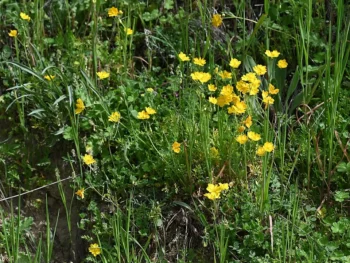
Don’t expect a showstopper—sicklefruit hypecoum’s charm lies in its understated elegance. The plant produces small, bright yellow flowers that emerge from finely divided, almost feathery foliage. While the individual blooms are modest, they can create a pleasant carpet effect when conditions are right.
The real conversation starter comes after flowering, when those distinctive sickle-shaped seed pods develop. These curved pods give the plant its memorable common name and add textural interest to the garden.
Growing Conditions and Care
Sicklefruit hypecoum is refreshingly undemanding, which explains how it’s managed to establish itself in new territories. Here’s what it prefers:
- Sunlight: Full sun to partial shade
- Soil: Well-drained soils; tolerates poor, disturbed ground
- Water: Moderate moisture; drought-tolerant once established
- Climate: Likely hardy in USDA zones 6-9
Planting and Propagation
If you decide to grow sicklefruit hypecoum, direct sowing is your best bet. Scatter seeds in fall or early spring, barely covering them with soil. The plant self-seeds readily, so you may find volunteers appearing in subsequent years without any effort on your part.
This annual thrives in rock gardens, Mediterranean-style landscapes, or naturalized areas where its modest size and self-seeding habit can shine.
Wildlife and Pollinator Value
While sicklefruit hypecoum’s small flowers may attract some insects, its wildlife benefits aren’t well-documented. The plant’s limited size and brief flowering period likely provide modest ecological value compared to native alternatives.
Should You Grow It?
Here’s where things get interesting for native plant gardeners. Sicklefruit hypecoum isn’t currently listed as invasive or noxious, which means it’s not considered an immediate ecological threat. However, as a non-native species, it doesn’t provide the same environmental benefits as plants that evolved alongside local wildlife.
If you’re drawn to its unique appearance, consider growing it in contained areas like rock gardens or pots. For those prioritizing native plant gardening, explore indigenous Pennsylvania annuals that offer similar ground-covering qualities and yellow flowers—you’ll likely find options that better support local pollinators and wildlife while providing comparable aesthetic appeal.
The Bottom Line
Sicklefruit hypecoum is a curious little plant that brings Mediterranean flair to temperate gardens. While it won’t transform your landscape, it offers modest charm and minimal maintenance requirements. Whether you choose to grow it depends largely on your gardening philosophy and how you balance exotic appeal with native plant stewardship.
If you do decide to welcome this unassuming annual into your garden, you’ll be rewarded with delicate flowers, interesting seed pods, and the satisfaction of growing something truly uncommon. Just remember to keep native alternatives in mind for your next planting adventure.