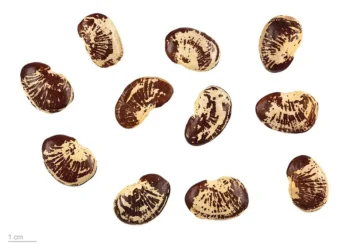
Sieva Bean: A Climbing Culinary Adventure for Your Garden
If you’re looking to add both beauty and bounty to your garden, the sieva bean (Phaseolus lunatus) might just be the climbing companion you never knew you needed. This vigorous vine brings together the best of both worlds – gorgeous foliage and delicious, nutritious beans that have been feeding families for thousands of years.
What Exactly Is a Sieva Bean?
The sieva bean, scientifically known as Phaseolus lunatus, goes by several aliases in the botanical world. You might encounter it listed under synonyms like Phaseolus inamoenus, Phaseolus limensis, or Phaseolus tunkinensis in older gardening references. This herbaceous plant can grow as either an annual or perennial, depending on your climate, and belongs to the forb category – meaning it’s a non-woody plant that dies back to ground level.
Where Does It Call Home?
Here’s where things get interesting: while sieva beans have made themselves quite comfortable across the southeastern United States, they’re actually world travelers. This species is non-native to North America, having journeyed here from its original home in Central and South America. Today, you’ll find established populations thriving in Alabama, Florida, Mississippi, Missouri, North Carolina, South Carolina, Virginia, Puerto Rico, and the U.S. Virgin Islands.
- Species observed
- No observations
Garden Appeal and Landscape Role
Don’t let the bean name fool you into thinking this plant is purely utilitarian. Sieva beans bring legitimate ornamental value to your garden with their lush, three-leaflet foliage and delicate white or pale-colored flowers. As climbing vines, they’re perfect for:
- Creating natural privacy screens on trellises or fences
- Adding vertical interest to vegetable gardens
- Softening harsh architectural features
- Providing seasonal coverage for arbors and pergolas
These plants work beautifully in cottage gardens, edible landscapes, and anywhere you want to combine food production with visual appeal.
Growing Conditions and Care
Sieva beans are relatively easygoing once you understand their basic needs. They thrive in full sun locations with well-draining soil and appreciate warm temperatures. In most of the United States, they’re grown as annuals (USDA zones 3-11), though in consistently frost-free areas, they can persist as perennials.
For best results:
- Plant seeds after soil temperatures reach at least 60°F
- Provide sturdy support structures for climbing
- Water consistently but avoid waterlogged conditions
- Space plants adequately for good air circulation
Pollinator and Wildlife Benefits
Your local bee population will thank you for growing sieva beans. The flowers are excellent pollinator attractors, drawing in honeybees, native bees, and other beneficial insects. This makes them valuable contributors to any pollinator-friendly garden design.
Should You Grow Sieva Beans?
Since sieva beans aren’t considered invasive or noxious, they can be a worthwhile addition to your garden, especially if you’re interested in edible landscaping or supporting pollinators. However, if you’re focused on native plant gardening, you might consider alternatives like American groundnut (Apios americana) or wild bean (Strophostyles helvola), which offer similar climbing habits and are native to North America.
The choice ultimately depends on your gardening goals. Sieva beans offer reliable food production, attractive foliage, and pollinator support – making them a solid choice for gardeners who prioritize function alongside beauty.
Final Thoughts
Whether you call it sieva bean or lima bean, Phaseolus lunatus represents the wonderful intersection of practical and pretty in garden design. While it may not be native to our shores, it has certainly earned its place in American gardens through generations of reliable performance. Just remember to provide good support for its climbing nature, and you’ll be rewarded with both a beautiful vine and a tasty harvest.