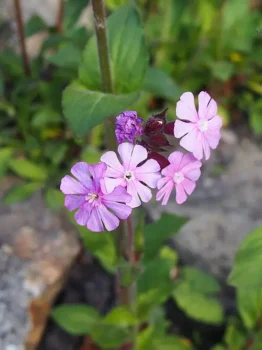
Silene flosjovis: A Charming Alpine Beauty for Your Rock Garden
If you’ve been searching for a plant that brings a splash of vibrant color to challenging garden spots, Silene flosjovis might just be the answer. Also known as Flower of Jove or Jove’s Flower, this delightful alpine perennial has been winning hearts with its brilliant magenta-pink blooms and distinctive silvery foliage.
What Makes Flower of Jove Special?
Silene flosjovis (sometimes listed under its synonym Lychnis flos-jovis) is a compact perennial that forms attractive rosettes of soft, woolly, silver-gray leaves. The real showstopper arrives in summer when clusters of bright magenta-pink flowers appear on short stems, creating a stunning contrast against the silvery backdrop. The flowers have five petals and give off a subtle, sweet fragrance that adds another layer of appeal to this charming plant.
Where Does It Come From?
This alpine gem is native to the mountainous regions of central and southern Europe, particularly thriving in the European Alps. In its natural habitat, it grows in rocky, well-drained soils at high elevations where many other plants struggle to survive.
Should You Grow Flower of Jove?
While Silene flosjovis isn’t native to North America, it’s not considered invasive either, making it a reasonable choice for gardeners who appreciate its unique qualities. Here are some reasons you might want to consider it:
- Thrives in poor, rocky soils where other plants fail
- Drought tolerant once established
- Compact size (6-12 inches tall and wide) perfect for small spaces
- Long blooming period from early to mid-summer
- Attracts butterflies and moths
- Low maintenance requirements
However, if you’re passionate about supporting native ecosystems, consider exploring native alternatives like Wild Bergamot (Monarda fistulosa) or Purple Prairie Clover (Dalea purpurea) which offer similar pink-purple flowers and pollinator benefits.
Perfect Garden Settings
Flower of Jove absolutely shines in:
- Rock gardens and alpine collections
- Well-drained borders and raised beds
- Cottage gardens with a naturalistic feel
- Xeriscaped areas and drought-tolerant plantings
- Container gardens with good drainage
Growing Conditions and Care
Success with Silene flosjovis comes down to mimicking its mountain home:
Light: Full sun is essential for best flowering and compact growth.
Soil: Well-drained soil is absolutely critical. This plant despises wet feet and will quickly rot in heavy, poorly-drained conditions. Sandy or rocky soil with good drainage is ideal.
pH: Prefers neutral to slightly alkaline soil (pH 6.5-7.5).
Hardiness: Hardy in USDA zones 4-8, making it suitable for most temperate climates.
Water: Drought tolerant once established. Water sparingly and only during extended dry periods.
Planting and Care Tips
Getting your Flower of Jove off to a good start is straightforward:
- Plant in spring or early fall when temperatures are moderate
- Space plants 8-12 inches apart to allow for air circulation
- Add coarse sand or gravel to heavy soils to improve drainage
- Mulch lightly with gravel rather than organic mulch
- Deadhead spent flowers to encourage continued blooming
- Divide clumps every 3-4 years to maintain vigor
Wildlife and Pollinator Benefits
While not native, Flower of Jove does provide some benefits to local wildlife. The bright flowers attract butterflies and moths, and the seeds may provide food for small birds. The extended blooming period offers nectar when many spring flowers have finished.
The Bottom Line
Silene flosjovis is a charming, low-maintenance perennial that’s perfect for gardeners dealing with challenging, dry conditions. While it won’t support native ecosystems like indigenous plants would, it’s not problematic either. If you love its unique silver foliage and bright flowers, go ahead and give it a try – just remember to provide excellent drainage and plenty of sunshine. Your rock garden will thank you for it!