Silkleaf: A Delicate Non-Native Annual for Warm Climate Gardens
Meet silkleaf (Lagascea mollis), a charming little annual that’s been quietly making itself at home in Florida and other warm regions. This delicate forb might not be a native plant, but it’s certainly carved out its own niche in the gardening world with its soft, silvery foliage and tiny composite flowers.
What Is Silkleaf?
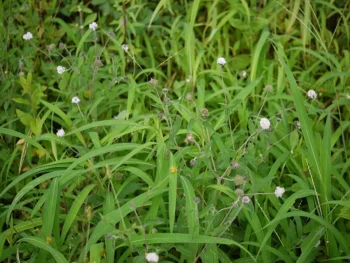
Silkleaf is an annual forb, which simply means it’s a non-woody plant that completes its entire life cycle in one growing season. The plant gets its common name from its distinctively soft, hairy leaves that have a silky, almost silvery appearance when light catches them just right. Botanically known as Lagascea mollis (you might also see it listed under its synonym Nocca mollis), this member of the sunflower family produces small white to pale yellow flowers arranged in tiny heads.
Where Does Silkleaf Grow?
Originally native to tropical regions of Central America and northern South America, silkleaf has established itself as a non-native species in the southern United States. You’ll find it growing wild in Florida, Puerto Rico, and the U.S. Virgin Islands, where it reproduces on its own and persists year after year through self-seeding.
- Species observed
- No observations
Should You Plant Silkleaf in Your Garden?
The answer depends on what you’re looking for in your garden. Here are some considerations:
Reasons You Might Want Silkleaf:
- Low maintenance – this plant practically grows itself
- Attracts small pollinators like bees and flies
- Interesting silvery foliage texture
- Good for naturalizing disturbed or poor soil areas
- Self-seeds readily, so you’ll likely have it again next year
Reasons You Might Skip It:
- It’s not native to North America
- Can self-seed aggressively in ideal conditions
- Flowers are quite small and not particularly showy
- Only thrives in warm climates (USDA zones 9-11)
Growing Silkleaf Successfully
If you decide to give silkleaf a try, you’ll find it’s refreshingly easy to grow. This plant seems to thrive on neglect!
Ideal Growing Conditions:
- Full sun to partial shade
- Well-draining soil (it actually prefers poor soils)
- Warm temperatures year-round
- Minimal water once established
Planting and Care Tips:
- Sow seeds directly in garden in spring after last frost
- Seeds need light to germinate, so barely cover them
- Space plants about 6-12 inches apart
- Water lightly until established, then let nature take over
- No fertilizer needed – rich soil actually makes it less hardy
- Deadhead flowers if you want to prevent excessive self-seeding
Design Ideas for Your Garden
Silkleaf works best in informal, naturalized settings rather than formal garden beds. Consider using it as:
- Ground cover in areas with poor soil
- Filler plant in wildflower gardens
- Addition to butterfly or pollinator gardens
- Texture plant in mixed annual borders
Native Alternatives to Consider
While silkleaf isn’t invasive or harmful, you might want to consider these native alternatives that provide similar benefits:
- Native asters for late-season pollinator support
- Wild bergamot for aromatic foliage and bee attraction
- Native sunflowers for composite flower structure
- Regional wildflower mixes suited to your specific area
The Bottom Line
Silkleaf is one of those plants that quietly does its job without much fanfare. It’s not going to win any beauty contests, but it will reliably fill in empty spaces, attract small pollinators, and add textural interest with its silvery foliage. If you’re in zones 9-11 and have a spot that needs a low-maintenance annual, silkleaf might just fit the bill. Just keep an eye on its self-seeding tendencies and consider mixing in some native alternatives to support your local ecosystem.