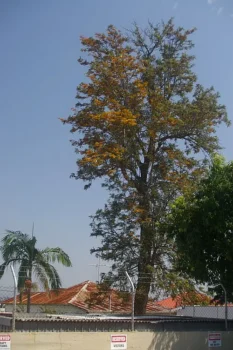
Silkoak: A Fast-Growing Shade Tree for Warm Climates
Looking for a quick-growing shade tree that won’t keep you waiting decades for results? Meet the silkoak (Grevillea robusta), a striking Australian native that’s made itself at home in warmer parts of the United States. This perennial tree might just be the fast-track solution your landscape has been waiting for – though there are a few things you should know before planting.
What Is Silkoak?
Silkoak is a large, single-stemmed tree that can reach impressive heights of up to 105 feet at maturity, though you’ll typically see it around 100 feet after 20 years of rapid growth. Don’t let the name fool you – despite being called silkoak, this tree isn’t related to true oaks at all. It gets its common name from its silky-textured wood, which was historically prized for furniture making.
The tree sports beautiful, fern-like foliage with a fine texture and dense summer coverage that stays green year-round. But the real showstopper comes during its active growing season in spring, summer, and fall, when bright yellow, bottlebrush-style flowers make their conspicuous appearance, followed by brown seed pods that add visual interest.
Where Does Silkoak Grow?
Originally from eastern Australia, silkoak has established itself as a non-native species in several U.S. locations, including Florida, Hawaii, and Puerto Rico. In these areas, it reproduces spontaneously and persists without human intervention – a testament to its adaptability but also something to consider if you’re focused on native plantings.
- Species observed
- No observations
Why You Might (Or Might Not) Want to Plant Silkoak
Let’s start with the compelling reasons gardeners love this tree:
- Lightning-fast growth: Few trees can match silkoak’s rapid growth rate, making it perfect if you need shade sooner rather than later
- Impressive size: Creates substantial shade and serves as an excellent specimen or street tree
- Attractive flowers: Those golden-yellow blooms are real attention-grabbers and attract pollinators
- Drought tolerance: Once established, it handles dry conditions reasonably well
- Low maintenance: Generally pest-free and doesn’t require fussy care
However, there are some considerations that might give you pause:
- Non-native status: As a non-native species, it won’t support local ecosystems the way native trees do
- Size requirements: This is a BIG tree that needs plenty of space – not suitable for small yards
- Fire sensitivity: Has low fire tolerance, which could be problematic in fire-prone areas
- Wind vulnerability: Fast growth can mean softer wood that’s more susceptible to wind damage
- Slight toxicity: Contains compounds that may cause skin irritation in sensitive individuals
Growing Conditions and Care
Silkoak is surprisingly adaptable when it comes to soil, thriving in coarse, medium, or fine-textured soils as long as drainage is good. It strongly prefers full sun and won’t tolerate shade well at all. The tree performs best in USDA hardiness zones 9-11, where temperatures rarely drop below 17°F.
Here’s what silkoak needs to thrive:
- Soil pH: Prefers slightly acidic to neutral soil (pH 5.3-7.0)
- Water needs: Medium moisture requirements – regular watering when young, then quite drought-tolerant
- Fertilizer: Medium fertility needs – not particularly demanding
- Spacing: Plant 300-800 trees per acre if mass planting, giving each tree plenty of room
- Root space: Needs at least 36 inches of root depth, so avoid areas with hardpan or very shallow soil
Planting and Establishment Tips
Silkoak is routinely available from nurseries and can be planted from containers or bare-root stock. While you can grow it from seed (there are about 30,000 seeds per pound!), seedlings show high vigor, so this can be a cost-effective approach for large plantings.
The tree has excellent coppice potential and resprout ability, meaning it can recover from pruning or damage. However, its hedge tolerance is low, so don’t expect it to respond well to heavy shearing or formal pruning.
Young trees benefit from protection during establishment, particularly from strong winds. Make sure to provide adequate water during the first few growing seasons, after which the tree’s medium drought tolerance kicks in.
Landscape Role and Design Ideas
Silkoak works best as a specimen tree in large landscapes, parks, or as a street tree where its eventual size won’t be problematic. Its erect growth habit and dense foliage make it excellent for creating shade or serving as a windbreak. The tree’s fine-textured foliage and conspicuous flowers add visual interest throughout much of the year.
This tree is particularly well-suited for Mediterranean-style gardens, large suburban properties, and commercial landscapes where quick establishment is important. Just remember – this isn’t a tree for small spaces or formal gardens where precise size control is needed.
Wildlife and Pollinator Benefits
While specific wildlife benefits aren’t well-documented for silkoak in non-native environments, those bright yellow flowers do attract various pollinators, including bees and nectar-feeding birds. However, as a non-native species, it won’t provide the specialized habitat and food sources that native trees offer to local wildlife.
Consider Native Alternatives
If you’re drawn to silkoak’s rapid growth and attractive flowers but want to support local ecosystems, consider native alternatives for your region. In the Southeast, native trees like tulip poplar or sweetgum offer fast growth and impressive size. In areas where silkoak thrives, research fast-growing native species that can provide similar benefits while supporting local wildlife.
The Bottom Line
Silkoak can be an excellent choice if you need a fast-growing shade tree and have the space for its impressive mature size. While it’s non-native, there’s no indication that it’s invasive or harmful to local ecosystems. Just remember that choosing native species whenever possible is always the more environmentally responsible option. If you do decide to plant silkoak, you’ll be rewarded with rapid growth, attractive flowers, and substantial shade – just be prepared for its eventual impressive stature!