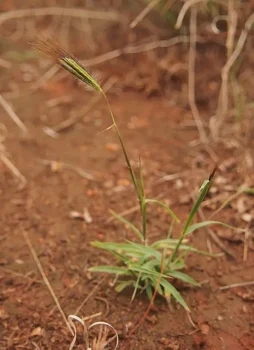
Silky Bluestem: A Non-Native Ornamental Grass for Warm Climate Gardens
If you’re looking for a drought-tolerant grass with eye-catching, silvery seed heads, silky bluestem (Dichanthium sericeum) might catch your attention. This perennial grass brings a distinctive texture to landscapes, though there are some important considerations before adding it to your garden.
What is Silky Bluestem?
Silky bluestem is a non-native perennial grass that has naturalized in several U.S. states. Originally from Australia and parts of Asia, this grass-like plant produces the characteristic feathery, silky seed heads that give it its common name. You might also see it listed under its scientific synonym, Andropogon sericeus.
Where Does It Grow?
In the United States, silky bluestem has established populations in Florida, Hawaii, Mississippi, and Texas. It’s considered a non-native species that reproduces spontaneously in the wild and tends to persist in both Hawaii and the lower 48 states.
- Species observed
- No observations
Garden Appeal and Landscape Use
Silky bluestem forms attractive clumps with its most striking feature being the silvery, feathery seed heads that appear in late summer and fall. These wispy plumes catch the light beautifully and add movement to the garden when stirred by breezes. The grass works well in:
- Drought-tolerant and xerophytic gardens
- Mediterranean-style landscapes
- Naturalized or prairie-style plantings
- Erosion control on slopes
- Background plantings in mixed borders
Growing Conditions and Care
This hardy grass thrives in USDA zones 8-11, making it suitable for warmer climates. Silky bluestem prefers:
- Full sun exposure
- Well-drained soils
- Minimal water once established
- Poor to moderately fertile soil
One of silky bluestem’s strongest attributes is its drought tolerance. Once established, it requires very little supplemental watering, making it an excellent choice for water-wise gardening.
Planting and Maintenance
You can establish silky bluestem from seed or by dividing existing clumps. Plant in spring after the last frost date in your area. Space plants adequately to allow for their spreading habit, and be prepared for the possibility of self-seeding, as this grass can reproduce readily on its own.
Maintenance is minimal – simply cut back the previous year’s growth in late winter or early spring before new growth begins.
Important Considerations
Since silky bluestem is non-native and has shown the ability to naturalize and persist in wild areas, gardeners should consider whether there are native alternatives that might better support local ecosystems. While it’s not currently listed as invasive, its tendency to self-seed and establish in natural areas means it could potentially compete with native species.
For similar ornamental appeal with better ecological benefits, consider native alternatives like:
- Little bluestem (Schizachyrium scoparium)
- Big bluestem (Andropogon gerardii)
- Other native grasses suited to your specific region
Final Thoughts
Silky bluestem offers undeniable ornamental value with its drought tolerance and attractive seed heads. However, thoughtful gardeners might want to explore native grass alternatives that provide similar aesthetic benefits while supporting local wildlife and ecosystems. If you do choose to grow silky bluestem, monitor it for excessive self-seeding and be prepared to manage its spread responsibly.