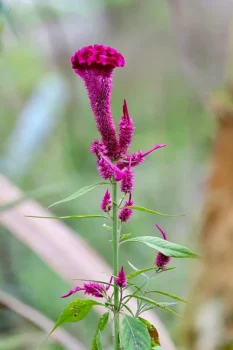
Silver Cock’s Comb: A Showy Annual with Tropical Flair
If you’re looking to add some dramatic texture and vibrant color to your garden, you might want to consider silver cock’s comb (Celosia argentea). This eye-catching annual has been winning over gardeners for generations with its distinctive, plume-like flower heads that seem to dance in the breeze. But before you rush to the garden center, let’s dive into what makes this plant tick and whether it’s the right fit for your garden.
What Exactly is Silver Cock’s Comb?
Silver cock’s comb, botanically known as Celosia argentea, is an annual forb that belongs to the amaranth family. Don’t let the fancy botanical terms fool you – it’s simply a non-woody plant that completes its entire life cycle in one growing season. You might also encounter it under its various synonyms, including Celosia cristata or Celosia margaritacea, depending on which old gardening book you’re thumbing through.
This tropical beauty originally hails from Africa and Asia, making it a non-native species here in North America. It has naturalized across many states, from Alabama to Wisconsin, and you’ll find it growing wild in places like Florida, Texas, and even as far north as Vermont.
Where Does It Grow?
Silver cock’s comb has made itself at home across a surprisingly wide range of the United States. You can find it growing in Alabama, Connecticut, Florida, Illinois, Indiana, Kansas, Kentucky, Louisiana, Maryland, Mississippi, Missouri, New Jersey, New York, North Carolina, Ohio, Pennsylvania, Tennessee, Texas, Utah, Vermont, Virginia, West Virginia, and Wisconsin. It’s also established in U.S. territories including Guam, Palau, Puerto Rico, and the Virgin Islands.
- Species observed
- No observations
The Visual Appeal
Let’s talk about what makes this plant a showstopper. Silver cock’s comb produces distinctive flower heads that can appear as either fluffy plumes or fascinating crested formations, depending on the variety. These blooms come in a rainbow of colors – think vibrant reds, soft pinks, sunny yellows, and pristine whites. The silvery-green foliage provides a nice backdrop that makes those colorful blooms pop even more.
The plant typically reaches 1-3 feet in height with a similar spread, making it perfect for middle-of-the-border plantings or as a focal point in container gardens.
Garden Design Role and Best Uses
Silver cock’s comb is incredibly versatile in the garden landscape. Here’s where it shines:
- Annual flower beds and borders
- Container gardens and patio planters
- Cut flower gardens (the blooms last beautifully in arrangements)
- Cottage-style gardens where a bit of whimsy is welcome
- Children’s gardens – kids love the unusual texture and bright colors
Growing Conditions and Care
The good news is that silver cock’s comb isn’t particularly fussy, but it does have some preferences:
Sunlight: This sun-lover needs at least 6-8 hours of direct sunlight daily to produce its best blooms.
Soil: Well-draining soil is crucial. While it’s not picky about soil type, it absolutely hates soggy conditions. Most regions classify it as preferring upland conditions, though it can tolerate some moisture in coastal areas.
Water: Water regularly but don’t overdo it. Let the soil dry out slightly between waterings.
Temperature: Being a warm-weather annual, it thrives in temperatures above 60°F and will be killed by the first frost.
USDA Hardiness Zones
As an annual, silver cock’s comb can be grown in all USDA hardiness zones, though it’s only perennial in the warmest zones (10-11). In most of North America, you’ll be replanting it each year after the last frost date.
Planting and Care Tips
Getting silver cock’s comb established is pretty straightforward:
- Start seeds indoors 4-6 weeks before your last frost date, or direct sow after soil has warmed
- Space plants 6-12 inches apart depending on the variety
- Water at the base of the plant to avoid getting the flowers wet
- Deadhead spent blooms to encourage continued flowering
- No need for fertilizer in average garden soil – too much nitrogen can actually reduce flowering
Wildlife and Pollinator Benefits
Here’s where silver cock’s comb earns some environmental points: its nectar-rich flowers are magnets for bees and butterflies. While we don’t have extensive data on all its wildlife benefits, gardeners often report seeing various pollinators visiting the blooms throughout the growing season.
Should You Plant It?
Silver cock’s comb isn’t considered invasive or noxious, so there’s no environmental red flag preventing you from growing it. However, as a non-native species, it won’t provide the same ecological benefits as native alternatives.
If you’re drawn to its unique texture and vibrant colors, go for it! Just consider pairing it with some native alternatives that offer similar visual impact, such as native wild bergamot (Monarda), blazing star (Liatris), or native sunflowers (Helianthus species). This way, you get the best of both worlds – the ornamental appeal you’re after plus some native plant benefits for local wildlife.
Silver cock’s comb can be a delightful addition to gardens where its bold personality is appreciated. With minimal care requirements and maximum visual impact, it’s no wonder this tropical transplant has found a home in gardens across the country.