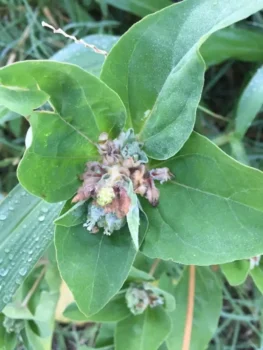
Silver July Croton: A Quirky Annual for Warm Climate Gardens
Meet the silver July croton (Croton argenteus), a petite annual that might just surprise you with its understated charm. This little forb – that’s gardener-speak for a non-woody plant – brings a subtle silvery presence to gardens in the warmest parts of the United States.
What Exactly Is Silver July Croton?
Silver July croton is an annual herb that belongs to the spurge family. Don’t let the fancy botanical name fool you – this is a fairly simple plant that completes its entire life cycle in just one growing season. You might also see it listed under its synonym Julocroton argenteus in some older gardening references.
As a forb, this plant lacks any significant woody tissue and stays relatively close to the ground. Think of it as nature’s answer to a low-maintenance ground cover that doesn’t stick around long enough to cause trouble.
Where Does It Come From?
Here’s where things get a bit complicated. Silver July croton isn’t actually native to North America – it’s what botanists call an introduced species that has naturalized in parts of Texas. This means it arrived from somewhere else (likely tropical or subtropical regions) but has adapted well enough to reproduce on its own in the wild.
- Species observed
- No observations
Should You Grow Silver July Croton?
The honest answer? It depends on what you’re looking for. Since this isn’t a native plant, you might want to consider some indigenous alternatives first. However, if you’re drawn to its unique characteristics and live in a suitable climate, there’s no reason to avoid it entirely.
The Good:
- Low maintenance once established
- Interesting silvery foliage texture
- Annual nature means it won’t take over your garden
- Adapted to warm, dry conditions
The Not-So-Good:
- Limited geographic range (essentially just Texas)
- Being non-native, it doesn’t support local ecosystems as effectively as indigenous plants
- Annual nature means replanting each year
Growing Silver July Croton Successfully
If you decide to give silver July croton a try, you’ll find it’s refreshingly undemanding. This plant has adapted to thrive in warm, dry conditions – perfect for those challenging sunny spots where other plants might struggle.
Ideal Growing Conditions:
- Full sun exposure
- Well-draining soil (it doesn’t like wet feet)
- USDA hardiness zones 9-11
- Minimal water once established
Planting and Care Tips:
- Plant after the last frost when soil has warmed
- Space plants appropriately for air circulation
- Water regularly during establishment, then reduce frequency
- No need for heavy fertilization – this plant prefers lean conditions
- Deadhead spent flowers to encourage continued growth
Garden Design Ideas
Silver July croton works best as a subtle accent plant rather than a showstopper. Its silvery foliage can provide nice contrast in mixed plantings, and its low growth habit makes it suitable for:
- Border plantings
- Rock gardens
- Xerophytic (drought-tolerant) landscapes
- Areas where you want seasonal interest without long-term commitment
Native Alternatives to Consider
Before committing to silver July croton, consider these native Texas alternatives that provide similar benefits while supporting local wildlife:
- Texas sage (Leucophyllum species) for silvery foliage
- Native Croton species like woolly croton (Croton capitatus)
- Desert willow for drought tolerance and seasonal interest
The Bottom Line
Silver July croton occupies an interesting niche in the gardening world – it’s not invasive, not particularly problematic, but also not native. If you’re in Texas and looking for a low-maintenance annual with unique foliage, it could be worth a try. Just remember that choosing native plants whenever possible helps support local ecosystems and wildlife.
Whatever you decide, happy gardening!