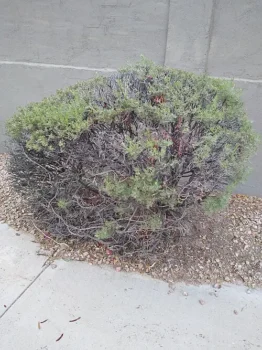
Silver Senna: A Drought-Tolerant Beauty for Arid Gardens
Looking for a low-maintenance shrub that can handle scorching summers and minimal water? Meet silver senna (Senna artemisioides), a striking Australian native that’s made itself at home in the southwestern United States. With its silvery foliage and cheerful yellow blooms, this resilient plant offers both beauty and practicality for water-wise gardeners.
What is Silver Senna?
Silver senna, scientifically known as Senna artemisioides, is a perennial shrub that typically grows as a multi-stemmed woody plant reaching 13 to 16 feet in height, though it usually stays smaller in cultivation. You might also see it listed under its former botanical name, Cassia artemisioides. This non-native species has successfully established itself in Arizona and California, where it reproduces naturally without human intervention.
Where Does Silver Senna Grow?
Originally from the arid regions of Australia, silver senna has found suitable growing conditions in the southwestern United States, particularly in Arizona and California. It thrives in USDA hardiness zones 9-11, making it perfect for gardeners in these warmer regions.
- Species observed
- No observations
Why Consider Silver Senna for Your Garden?
Silver senna brings several appealing qualities to the landscape:
- Striking appearance: The plant’s silvery-gray foliage provides year-round interest, while bright yellow pea-like flowers add seasonal color
- Drought tolerance: Once established, this shrub requires minimal water, making it perfect for xeriscaping
- Pollinator friendly: The cheerful yellow blooms attract bees and other beneficial pollinators to your garden
- Low maintenance: Beyond occasional pruning, silver senna pretty much takes care of itself
Garden Design Ideas
Silver senna works beautifully in several landscape styles:
- Mediterranean gardens where its drought tolerance shines
- Xeriscaping projects that prioritize water conservation
- Desert landscapes as a specimen plant or informal hedge
- Mixed borders where its silvery foliage provides contrast to green plants
Growing Silver Senna Successfully
Light Requirements: Plant silver senna in full sun for best growth and flowering. It can tolerate some light shade but may become leggy.
Soil Needs: Well-draining soil is absolutely essential. This plant despises wet feet and will quickly succumb to root rot in poorly drained locations. Sandy or gravelly soils work perfectly.
Watering: Water regularly during the first growing season to establish roots, then reduce watering significantly. Mature plants are quite drought tolerant and actually prefer dry conditions.
Care Tips:
- Prune lightly after flowering to maintain shape and encourage new growth
- Protect young plants from frost in marginal zones
- Avoid overwatering, which can lead to root problems
- No fertilizer needed in most soils
Things to Consider
While silver senna can be a valuable addition to appropriate gardens, it’s worth noting that this is a non-native species. If you’re passionate about supporting local ecosystems, consider native alternatives like desert willow (Chilopsis linearis) or fairy duster (Calliandra eriophylla), which provide similar drought tolerance and pollinator benefits while supporting native wildlife.
Silver senna works best in arid climates and may struggle in areas with high humidity or frequent rainfall. It’s also not suitable for wetland areas or locations with poor drainage.
The Bottom Line
Silver senna can be an excellent choice for gardeners in hot, dry climates who want a low-maintenance shrub with year-round appeal. Its drought tolerance, attractive foliage, and pollinator-friendly flowers make it a practical addition to water-wise landscapes. Just remember to provide excellent drainage and resist the urge to pamper it with too much water – this tough plant prefers the tough love approach to gardening!