Silver Wattle: A Golden Winter Wonder for Your Garden
If you’ve ever wondered what that gorgeous tree covered in fluffy yellow blooms is during the dreary winter months, chances are you’ve spotted a silver wattle (Acacia dealbata). This eye-catching tree brings sunshine to the garden when most other plants are taking their winter nap, making it a popular choice for gardeners seeking year-round interest.
What Is Silver Wattle?
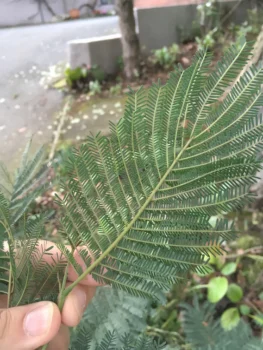
Silver wattle is a fast-growing perennial shrub or small tree that can reach impressive heights under the right conditions. Despite its common name, this beauty is actually a member of the legume family and produces those distinctive pompom-like flower clusters that make it so recognizable. The silvery-blue, feathery foliage gives the plant its silver moniker and creates a lovely backdrop for those brilliant yellow blooms.
Where Does It Come From?
Originally hailing from southeastern Australia, silver wattle is not native to North America. It’s been introduced and now grows spontaneously in parts of California and Oregon, reproducing on its own without human intervention. While it has adapted well to these regions, it’s important to remember its non-native status when making planting decisions.
- Species observed
- No observations
Why Gardeners Love Silver Wattle
There are several reasons why silver wattle has found its way into American gardens:
- Winter blooms: Those cheerful yellow flowers appear in late winter when most gardens look pretty bleak
- Fast growth: Perfect for gardeners who want quick results and screening
- Drought tolerance: Once established, it can handle dry conditions like a champ
- Pollinator magnet: Bees and beneficial insects absolutely love the nectar-rich flowers
- Low maintenance: Generally pest-free and doesn’t require much fussing
Garden Design Ideas
Silver wattle works beautifully as a specimen tree where its winter flowers can really steal the show. It’s also excellent for:
- Creating privacy screens or windbreaks
- Erosion control on slopes
- Adding vertical interest to Mediterranean-style gardens
- Coastal gardens where it can handle salt spray
Growing Conditions and Care
Silver wattle is surprisingly easy to grow if you can provide what it needs:
Climate: Best suited for USDA hardiness zones 9-11, where it won’t face harsh freezes
Sunlight: Full sun is a must for the best flowering and growth
Soil: Well-draining soil is crucial – this plant absolutely hates wet feet. It prefers slightly acidic to neutral soil but adapts to various soil types
Water: Regular watering the first year helps establish roots, but once mature, it’s quite drought tolerant
Planting and Maintenance Tips
Plant your silver wattle in spring when the soil has warmed up. Give it plenty of space to spread – these trees can get quite large and don’t like being crowded. Minimal pruning is needed, though you can shape it when young if desired.
One word of caution: silver wattle can be an enthusiastic spreader, so keep an eye on seedlings that might pop up around your garden.
Consider Native Alternatives
While silver wattle can be a lovely addition to the right garden, consider these native alternatives that provide similar benefits:
- California native acacias like catclaw acacia for southwestern gardens
- Native willows for early spring color and wildlife benefits
- Redbud species for stunning spring blooms and native pollinator support
The Bottom Line
Silver wattle can be a spectacular addition to the right garden, especially if you’re looking for winter interest and don’t mind its non-native status. Just be mindful of its vigorous nature and consider whether native alternatives might better serve your local ecosystem. Whatever you choose, your winter garden will thank you for adding some much-needed color during the dormant season!