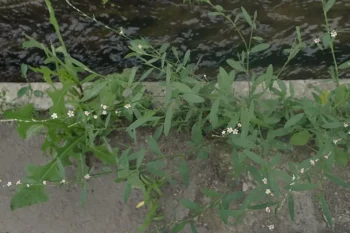
Silversheath Knotweed: A Lesser-Known Annual with Limited Garden Appeal
If you’ve stumbled across the name silversheath knotweed (Polygonum argyrocoleon), you might be wondering whether this plant deserves a spot in your garden. Here’s the thing: this annual forb is one of those plants that flies under the radar—and there might be good reasons for that.
What is Silversheath Knotweed?
Silversheath knotweed is a non-native annual plant that belongs to the diverse Polygonum genus. As a forb, it’s an herbaceous plant without significant woody tissue, meaning it dies back each year and regrows from seed. The plant has managed to establish itself across a surprisingly wide range of American states, from coast to coast.
Where Does It Grow?
This adaptable little plant has made itself at home in 15 states across the United States, including Arizona, California, Colorado, Florida, Hawaii, Idaho, Massachusetts, Missouri, Nevada, New Mexico, North Carolina, Texas, Utah, Vermont, and West Virginia. It’s also established in Hawaii, showing its ability to thrive in diverse climates.
- Species observed
- No observations
The Water Connection
One of the most interesting aspects of silversheath knotweed is its relationship with water. Depending on where you are in the country, this plant shows different wetland preferences:
- Obligate wetland areas: In regions like the Atlantic and Gulf Coastal Plain, Eastern Mountains and Piedmont, Great Plains, and Midwest, it almost always occurs in wetlands
- Facultative areas: In the Arid West, Hawaii, Northcentral & Northeast, and Western Mountains regions, it can grow in both wetlands and drier areas
This variable water tolerance suggests the plant is quite adaptable, but it also makes it somewhat unpredictable in garden settings.
Should You Plant It?
Here’s where things get a bit tricky. While silversheath knotweed isn’t listed as invasive or noxious, there’s remarkably little information available about its garden performance, aesthetic qualities, or benefits to wildlife and pollinators. When a plant is this much of a mystery, it’s usually not the best choice for your garden.
As a non-native annual, it won’t provide the reliable, long-term benefits that native perennial plants offer to your local ecosystem. Plus, with so many wonderful native alternatives available, why take a chance on something that might not deliver?
Better Native Alternatives
Instead of gambling on silversheath knotweed, consider these native options that will give you more bang for your gardening buck:
- For wetland areas: Look into native sedges, rushes, or wetland wildflowers specific to your region
- For annual color: Choose native annual wildflowers that support local pollinators
- For reliable performance: Opt for well-documented native perennials that come back year after year
The Bottom Line
While silversheath knotweed might seem intriguing, its lack of documented garden benefits and non-native status make it a questionable choice for most gardeners. Your time, energy, and garden space are precious resources—why not invest them in plants that are proven performers and ecological contributors?
If you’re drawn to the knotweed family, research native Polygonum species in your area instead. You’ll likely find better-documented options that offer clear benefits to both your garden and local wildlife.
Remember: the best garden plants are often the ones that have been quietly doing their job in your local ecosystem for thousands of years. Sometimes the most exciting choice is the one that’s been there all along.