Simpleleaf Bushweed: What You Need to Know About This Caribbean Shrub
If you’ve stumbled across the name simpleleaf bushweed in your gardening research, you might be wondering what this somewhat unglamorous-sounding plant is all about. Also known by its botanical name Flueggea acidoton, this perennial shrub has made its way from the Caribbean to parts of the southeastern United States, where it’s quietly establishing itself in the landscape.
The Basics: What Is Simpleleaf Bushweed?
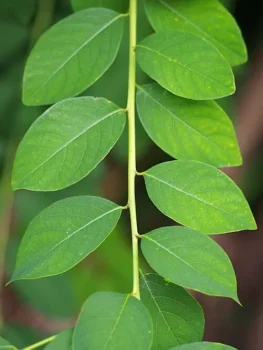
Simpleleaf bushweed is a multi-stemmed woody shrub that typically stays under 13-16 feet tall, though it can occasionally grow taller under the right conditions. True to its name, this plant sports simple, rounded leaves and maintains a dense, bushy appearance that can make it useful for screening or informal hedging.
You might also see this plant listed under several other scientific names in older gardening references, including Securinega acidoton and Conami portoricensis – botanists love to keep us on our toes with name changes!
Where Does It Come From?
Here’s where things get interesting from a native gardening perspective. Simpleleaf bushweed isn’t actually native to the United States. It hails from the West Indies and other Caribbean islands, but has successfully established itself in Florida, Puerto Rico, and the U.S. Virgin Islands. The plant reproduces on its own in these areas without any help from humans, which means it’s found its happy place in our subtropical climate.
- Species observed
- No observations
Should You Plant Simpleleaf Bushweed?
This is where the conversation gets a bit nuanced. While simpleleaf bushweed isn’t currently flagged as invasive or noxious, its non-native status means it’s worth considering some alternatives first. Here are some factors to weigh:
Potential Benefits:
- Low maintenance once established
- Drought tolerant
- Dense growth habit good for screening
- Adaptable to various soil conditions
- Small white flowers provide modest ornamental interest
Considerations:
- Non-native origin means it may not support local wildlife as effectively as native alternatives
- Limited information available about its long-term environmental impact
- Not particularly showy compared to native flowering shrubs
Growing Conditions and Care
If you decide to grow simpleleaf bushweed, the good news is that it’s relatively easygoing. This shrub thrives in USDA hardiness zones 9-11, making it suitable for tropical and subtropical gardens.
Ideal Growing Conditions:
- Full sun to partial shade
- Well-draining soil (adaptable to various soil types)
- Regular water during establishment, then drought tolerant
- Warm, frost-free climates
Planting and Care Tips:
- Plant in spring after the last frost
- Water regularly during the first growing season
- Prune as needed to maintain desired size and shape
- Fertilize lightly in spring if desired, though it’s not necessary
- Monitor for any signs of aggressive spreading
Native Alternatives Worth Considering
Before settling on simpleleaf bushweed, you might want to explore some native alternatives that could provide similar benefits while supporting local ecosystems:
- Firebush (Hamelia patens) – offers vibrant flowers and attracts hummingbirds
- Wild coffee (Psychotria nervosa) – provides berries for birds
- Coontie (Zamia integrifolia) – supports native butterfly species
The Bottom Line
Simpleleaf bushweed is a serviceable, low-maintenance shrub that can fill a niche in subtropical gardens, particularly where you need dense screening or a tough plant for difficult conditions. However, its non-native status and limited wildlife value make it worth considering alongside native alternatives that might offer more ecological benefits.
If you do choose to plant it, keep an eye on its growth habits and be prepared to manage it responsibly. And remember – sometimes the most rewarding gardening choices are the ones that support the web of life that’s been developing in your region for thousands of years.