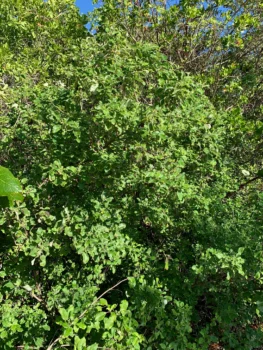
Simpleleaf Chastetree: A Coastal Garden Charmer with Caveats
If you’re looking for a low-maintenance shrub that can handle salty air and sandy soil, the simpleleaf chastetree (Vitex trifolia) might have caught your eye. This aromatic shrub brings a touch of tropical flair to coastal landscapes, but before you rush to the nursery, let’s explore what makes this plant tick—and whether it’s the right choice for your garden.
What Exactly Is Simpleleaf Chastetree?
Known botanically as Vitex trifolia, the simpleleaf chastetree goes by several names, including kelsechedui in Palau. This perennial shrub typically grows as a multi-stemmed woody plant, usually staying under 13-16 feet tall, though it can sometimes surprise you by growing taller or developing a single stem depending on growing conditions.
What sets this plant apart is its distinctive three-leaflet compound leaves (hence simpleleaf) and clusters of small, fragrant blue to purple flowers that bloom at the branch tips. The aromatic foliage releases a pleasant scent when brushed against, and the flowers eventually give way to small dark berries.
Where Does It Call Home?
Here’s where things get interesting from a native gardening perspective. While simpleleaf chastetree currently grows in Florida, Hawaii, Guam, Palau, and various U.S. Minor Outlying Islands, it’s actually a non-native species in Hawaii and the continental United States. The plant is native to coastal areas of tropical and subtropical Asia, including India, Southeast Asia, and southern China.
- Species observed
- No observations
The Native Plant Consideration
As someone who champions native gardening, I always encourage considering native alternatives first. While Vitex trifolia isn’t currently listed as invasive, it does reproduce spontaneously in the wild without human help and tends to persist in both Hawaii and the lower 48 states. This means it has the potential to spread beyond your garden boundaries.
Before planting simpleleaf chastetree, consider these native alternatives that could provide similar benefits:
- Native viburnums for similar clustering flowers
- Native elderberries for wildlife value and coastal tolerance
- Regional native shrubs adapted to your specific coastal conditions
Growing Simpleleaf Chastetree Successfully
If you decide to grow this plant, here’s what you need to know to keep it happy:
Ideal Growing Conditions
- Sunlight: Full sun for best flowering
- Soil: Well-draining soil; quite adaptable to poor soils
- Water: Drought-tolerant once established, though appreciates occasional watering
- Salt tolerance: Excellent for coastal locations
- Climate: Thrives in USDA zones 9-11
Planting and Care Tips
The good news is that simpleleaf chastetree is refreshingly low-maintenance once you get it established:
- Plant in spring after the last frost
- Water regularly the first year to help establish roots
- Prune lightly after flowering to maintain shape
- Fertilizer isn’t usually necessary in most soils
- Watch for natural spread and remove unwanted seedlings
Garden Design Role
In landscape design, simpleleaf chastetree works well as:
- A specimen shrub in coastal gardens
- Part of a mixed shrub border
- An element in xeriscaping projects
- A fragrant addition near patios or walkways
Wildlife and Pollinator Benefits
The fragrant flowers do attract bees and butterflies, providing some pollinator value during blooming season. However, since this isn’t a native species, it may not support local wildlife as comprehensively as native alternatives would.
Important Considerations
Remember that simpleleaf chastetree is classified as Obligate Upland, meaning it almost never occurs in wetlands. This makes it unsuitable for rain gardens or wetland restoration projects. Additionally, since it’s non-native and can spread naturally, be prepared to monitor for seedlings beyond your intended planting area.
The Bottom Line
Simpleleaf chastetree can be an attractive, low-maintenance addition to coastal gardens in warm climates. Its salt tolerance and drought resistance make it practically bulletproof in challenging seaside conditions. However, as a responsible gardener, consider native alternatives first—they’ll provide better support for local ecosystems while often being just as beautiful and resilient.
If you do choose to plant Vitex trifolia, enjoy its fragrant flowers and easy-care nature, but keep an eye on its spread and be a good garden neighbor by preventing it from naturalizing in wild areas.