Skilpadbessie: A Charming South African Native for Water-Wise Gardens
Meet the skilpadbessie (Nylandtia spinosa), a delightful little shrub that’s been quietly winning hearts in water-wise gardens across Mediterranean climates. Also known as bokbessie or duinebessie, this South African native brings a unique charm to landscapes with its spiny character and surprisingly delicate flowers.
What Makes Skilpadbessie Special?
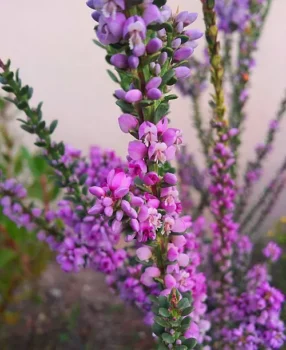
Don’t let the spines fool you – skilpadbessie is a gem in the right setting. This compact shrub produces clusters of small, white to pale pink flowers that create a lovely contrast against its thorny, grey-green branches. The name skilpadbessie translates roughly to tortoise berry in Afrikaans, hinting at both its spiny nature and its small, berry-like fruits.
Previously classified as Mundtia spinosa, this hardy little plant has earned its place in drought-tolerant gardens for good reason. It’s built to survive, with adaptations that make it perfect for those challenging, dry spots in your landscape.
Where Does Skilpadbessie Come From?
Skilpadbessie is indigenous to South Africa, particularly thriving in the Western Cape’s fynbos regions. Here, it has adapted to sandy soils, Mediterranean-type climates, and periods of both wet winters and dry summers.
Why Consider Skilpadbessie for Your Garden?
If you’re gardening in USDA zones 9-11 and looking for low-maintenance, drought-tolerant options, skilpadbessie offers several benefits:
- Exceptional drought tolerance once established
- Attracts beneficial insects and small pollinators
- Provides texture and structure with its spiny branches
- Produces charming flowers in spring
- Requires minimal care and watering
- Suitable for coastal conditions
However, if you’re gardening outside of Mediterranean-climate zones, you might want to explore native alternatives that are better suited to your local ecosystem and climate conditions.
Growing Skilpadbessie Successfully
The secret to happy skilpadbessie is simple: think Mediterranean. This plant wants conditions that mimic its South African homeland.
Ideal Growing Conditions
- Sunlight: Full sun exposure for best flowering
- Soil: Well-draining sandy or gravelly soil
- Water: Low water requirements; drought-tolerant once established
- Climate: Mediterranean-type climate with mild, wet winters and dry summers
- Temperature: Hardy in zones 9-11; protect from hard frost
Planting and Care Tips
Getting started with skilpadbessie is refreshingly straightforward:
- Plant in fall or early spring to give roots time to establish before summer heat
- Ensure excellent drainage – this plant hates wet feet
- Water regularly the first year, then reduce to occasional deep watering
- Prune lightly after flowering to maintain shape
- Avoid over-fertilizing; these plants prefer lean soils
- Mulch around the base to conserve moisture and suppress weeds
Garden Design Ideas
Skilpadbessie works beautifully in several garden styles:
- Water-wise and drought-tolerant landscapes
- Mediterranean-style gardens
- Coastal plantings (it tolerates salt spray well)
- Rock gardens and slopes
- Wildlife-friendly gardens focused on supporting pollinators
- South African indigenous plant collections
A Final Thought
While skilpadbessie can be a wonderful addition to the right garden, remember that the best gardens support local ecosystems. If you’re not gardening in a Mediterranean climate zone, consider exploring native plants from your region that offer similar drought tolerance and pollinator benefits. Your local native plant society can point you toward indigenous alternatives that will thrive in your specific conditions while supporting local wildlife.
For those in suitable climates, skilpadbessie offers a chance to grow something truly special – a resilient, beautiful plant that asks for little and gives back plenty in return.