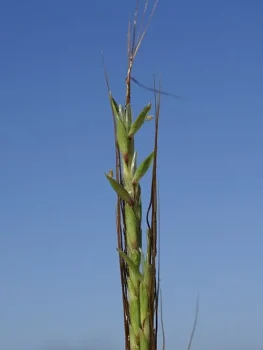
Slender Bluestem: A Delicate Grass for Tropical Gardens
If you’re looking for a fine-textured grass to add movement and subtle beauty to your Hawaiian landscape, slender bluestem (Dichanthium tenue) might catch your eye. This perennial grass brings a delicate, wispy quality to gardens with its slender stems and narrow leaves that dance gracefully in tropical breezes.
What Is Slender Bluestem?
Slender bluestem is a perennial grass that belongs to the large family of grasses and grass-like plants. True to its name, this plant has an elegant, fine-textured appearance that sets it apart from bulkier grass species. While it may look delicate, it’s actually quite resilient once established in the right conditions.
Where Does It Come From?
Here’s something important to know upfront: slender bluestem isn’t native to Hawaii or the United States. This grass originally hails from tropical regions of Asia and Australia. It was introduced to Hawaii, where it has naturalized and now reproduces on its own in the wild. Currently, you’ll find it growing throughout the Hawaiian Islands.
- Species observed
- No observations
Should You Plant Slender Bluestem?
The decision to plant slender bluestem comes with some considerations. On the positive side, this grass can be quite useful for certain landscaping needs:
- Provides fine-textured ground cover in naturalized areas
- Offers low-maintenance landscaping once established
- Tolerates drought conditions well
- Adds subtle movement and texture to tropical gardens
However, since it’s not native to Hawaii, you might want to consider native grass alternatives first. Native plants typically provide better support for local wildlife and are naturally adapted to local conditions.
Growing Conditions and Care
If you decide to grow slender bluestem, here’s what you need to know about keeping it happy:
Light and Location
This grass loves full sun and performs best when it gets plenty of bright, direct sunlight throughout the day. It’s well-suited for USDA hardiness zones 9-11, making it perfect for tropical and subtropical climates.
Soil Requirements
Slender bluestem isn’t particularly fussy about soil, but it does prefer well-drained conditions. Once established, it shows impressive drought tolerance, making it suitable for areas that don’t receive regular irrigation.
Maintenance
One of the appealing aspects of slender bluestem is its low-maintenance nature. It can spread through both seeds and underground stems (rhizomes), so you may need to manage its spread if you want to keep it contained to specific areas.
Landscape Uses
Slender bluestem works well in several landscape scenarios:
- Ground cover for large, naturalized areas
- Erosion control on slopes
- Background texture in mixed plantings
- Restoration projects in appropriate climates
Wildlife and Pollinator Value
As a grass, slender bluestem is wind-pollinated rather than insect-pollinated, so it doesn’t offer significant benefits to bees and butterflies. However, grasses can provide some habitat value for certain wildlife species.
The Bottom Line
Slender bluestem can be a useful addition to tropical landscapes, particularly for those seeking low-maintenance ground cover options. However, given its non-native status, consider exploring native Hawaiian grass species first. If you do choose to plant slender bluestem, be mindful of its spreading nature and monitor its growth to ensure it doesn’t become problematic in your specific location.
Remember, the best landscape choices are often those that work with nature rather than against it. While slender bluestem has its merits, native plants will always be your best bet for supporting local ecosystems and creating truly sustainable gardens.