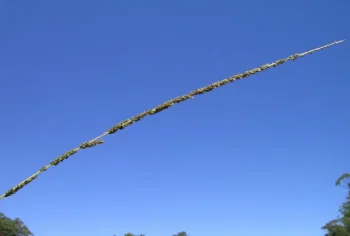
Slender Dropseed: What You Need to Know About This Introduced Grass
If you’ve stumbled across the name slender dropseed (Sporobolus creber) in your plant research, you’re not alone in wondering what exactly this grass is all about. This perennial graminoid—fancy talk for a grass-like plant—has made its way into California’s landscape, though it’s not originally from around these parts.
The Basics: What Is Slender Dropseed?
Sporobolus creber is a perennial grass that belongs to the large and diverse world of graminoids. Think of it as part of the extended grass family that includes not just your typical lawn grasses, but also sedges, rushes, and other grass-like plants. Like many of its cousins, it’s built to last through multiple growing seasons.
What makes this particular species noteworthy is that it’s not native to North America. Instead, it’s what botanists call an introduced species—meaning it arrived from somewhere else and has managed to establish itself and reproduce in the wild without human help.
Where You’ll Find It
Currently, slender dropseed has been documented growing in California, where it has naturalized in the landscape. As a non-native species, it represents just one of many plants that have found their way to new homes far from their original ranges.
- Species observed
- No observations
Should You Plant Slender Dropseed?
Here’s where things get a bit tricky. While we know that Sporobolus creber isn’t native to our region, there’s limited information available about its specific growing requirements, potential impacts, or garden performance. This lack of detailed information makes it challenging to give you the complete picture you deserve when choosing plants for your landscape.
What we can tell you is that as gardeners become more conscious about supporting local ecosystems, many are gravitating toward native alternatives that offer known benefits to local wildlife and are perfectly adapted to regional growing conditions.
Consider Native Alternatives
If you’re drawn to the idea of ornamental grasses in your landscape, California offers some fantastic native options that might tick all your boxes:
- Purple needlegrass (Stipa pulchra) – California’s state grass with beautiful purple-tinged seed heads
- Deergrass (Muhlenbergia rigens) – A clumping grass that creates stunning architectural elements
- Blue grama (Bouteloua gracilis) – Drought-tolerant with distinctive curved seed heads
- Pine bluegrass (Poa secunda) – A versatile native that works well in various conditions
The Native Advantage
Native grasses come with built-in benefits that introduced species simply can’t match. They’ve evolved alongside local wildlife, providing food sources for native insects, birds, and small mammals. They’re also perfectly adapted to local soil conditions, rainfall patterns, and temperature ranges, which often translates to less maintenance once established.
Plus, native plants help maintain the ecological balance that supports biodiversity in your region. Every native plant you choose is like casting a vote for the local ecosystem.
The Bottom Line
While slender dropseed isn’t necessarily problematic (we don’t have evidence of it being invasive or harmful), the limited information available about its specific needs and behaviors makes it a bit of a question mark for home gardeners. When you’re investing time, energy, and resources into your landscape, why not choose plants with proven track records of success and ecological benefit?
Your local native plant society or cooperative extension office can provide more detailed information about the best native grass options for your specific growing conditions and garden goals. They’re also great resources for finding responsibly sourced native plants and seeds.
Remember, every planting decision is an opportunity to create habitat, support wildlife, and build resilience in your local ecosystem. With so many beautiful native options available, you can create a stunning landscape that truly belongs in your corner of the world.