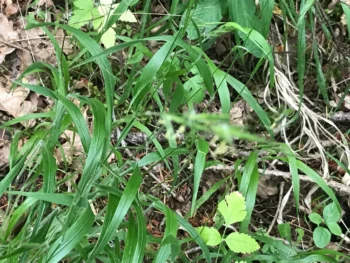
Slender False Brome: Why This Grass Should Stay Out of Your Garden
If you’ve stumbled across slender false brome (Brachypodium sylvaticum) in your research for shade-tolerant grasses, pump the brakes! While this European native might look like an innocent woodland grass, it’s actually a garden villain that’s wreaking havoc across the Pacific Northwest and beyond.
What Exactly Is Slender False Brome?
Slender false brome is a perennial grass that originally called the woodlands of Europe home. You might also see it listed under its old scientific name, Festuca sylvatica. Don’t let the slender part fool you – this grass has a robust appetite for taking over native plant communities.
This non-native species has made itself quite comfortable in North America, reproducing spontaneously without any help from humans. Once it gets going, it tends to stick around and spread, which is exactly what we don’t want from an introduced species.
Where You’ll Find This Troublemaker
Currently documented in Oregon, slender false brome has likely spread to other states as well. This sneaky grass prefers shaded woodland areas where it can quietly establish itself before native plants know what hit them.
- Species observed
- No observations
The Invasive Alert You Need to Know
Here’s the most important part: slender false brome is classified as invasive and even prohibited in some areas. This isn’t just bureaucratic red tape – it’s a serious ecological concern. When a plant earns prohibited status, it means the damage it causes to native ecosystems is significant enough to warrant legal restrictions.
This grass doesn’t play nice with others. It forms dense colonies that crowd out native wildflowers, ferns, and other understory plants that wildlife depends on. Once established, it’s incredibly difficult to remove, making prevention absolutely critical.
Why We’re Saying Thanks, But No Thanks
While slender false brome might seem appealing for challenging shady spots, here’s why you should skip it entirely:
- It aggressively outcompetes native plants
- Provides minimal benefits to local wildlife
- Nearly impossible to control once established
- Can spread to natural areas beyond your property
- May be illegal to plant or transport in your area
Better Alternatives for Your Shade Garden
Instead of risking ecological damage with slender false brome, consider these fantastic native alternatives that actually support local ecosystems:
- Native sedges like Pennsylvania sedge (Carex pensylvanica) for eastern gardens
- Wild ginger (Asarum canadense) for excellent ground cover
- Native ferns such as Christmas fern (Polystichum acrostichoides)
- Coral bells (Heuchera species) for color and texture
What to Do If You Spot It
If you discover slender false brome on your property or in your neighborhood, contact your local extension office or invasive species coordinator. Early detection and removal are key to preventing widespread establishment.
Remember, the best way to deal with invasive species is prevention. By choosing native plants that support local wildlife and ecosystems, you’re not just creating a beautiful garden – you’re being a good neighbor to the natural world around you.
The Bottom Line
Slender false brome might look innocent enough, but it’s a prime example of why we need to be thoughtful about what we plant. Skip this troublemaker and opt for native alternatives that will give you the same aesthetic appeal without the ecological headaches. Your local ecosystem will thank you!